



Engineering Excellence: Key Components and Smart Features of Modern Breakers
- Introduction: The Role of Breakers in Excavation and Demolition
- Key Components of Modern Excavator Breakers
- Smart Features: Enhancing Performance with Technology
- Hydraulic Systems and Their Impact on Breaker Performance
- Durability and Wear Resistance: Materials and Housings
- Breaker Size and Selection Criteria for Different Excavation Projects
- Maintenance and Longevity: Maximizing the Lifespan of Breakers
- Cost vs. Performance: Making the Right Investment in Breakers
- Conclusion: Choose HUILIAN for Unmatched Breaking Power
- Frequently Asked Questions (FAQs)
- What are the key features that differentiate modern excavator breakers from older models?
- How does the hydraulic flow (LPM/GPM) affect the performance of the breaker?
- What is the advantage of a silenced (Box-Type) breaker over a Side-Type?
- How does an Anti-Blank Firing system protect my investment?
- What maintenance is strictly required to avoid catastrophic breaker failure?
- What makes HUILIAN breakers cost-effective compared to other global brands?
Introduction: The Role of Breakers in Excavation and Demolition
In the demanding arenas of mining, quarrying, and urban demolition, excavator breakers are indispensable assets that dictate overall project timelines and operational efficiency. The modern hydraulic rock breaker has evolved dramatically from a basic mechanical impact tool into a highly sophisticated, fluid-driven demolition terminal. Today's advanced hydraulic hammer technology integrates precision fluid dynamics with rugged metallurgy, allowing operators to fracture the hardest granite or dismantle reinforced concrete structures with unprecedented speed. Understanding the internal mechanics and technological advancements of these attachments is crucial for fleet managers aiming to maximize productivity and minimize unexpected downtime. By exploring the various hydraulic breaker types and their specific engineering advantages, heavy equipment operators can make highly informed procurement decisions. This comprehensive guide delves into the intricate anatomy, intelligent protective systems, and critical matching criteria of modern breakers, providing the engineering insights necessary to elevate your excavation fleet's capabilities and overall return on investment.
Key Components of Modern Excavator Breakers
The devastating impact force of a modern excavator rock breaker relies on the seamless orchestration of highly engineered internal components. The core of this power is the hydraulic breaker cylinder design, where a precision-machined piston operates with micrometer-level tolerances. Directed by a sophisticated control valve mechanism, this piston rapidly reciprocates to convert hydraulic pressure into massive kinetic energy. Crucially, nitrogen accumulators act as energy multipliers; they absorb hydraulic pulsations to protect the carrier's pump while instantly releasing compressed gas pressure on the downward stroke to magnify the impact. At the working end, heavy-duty rock breaker tool bits—ranging from moil points to blunt chisels—transfer this colossal force directly into the substrate. Surrounding the chisel, high-wear inner and outer bushings guide the tool and absorb extreme lateral stress. Furthermore, premium hydraulic breaker seals are integrated within the cylinder to withstand severe pressure spikes and thermal degradation, ensuring flawless fluid retention and maintaining peak striking power during continuous heavy-duty operations.
Smart Features: Enhancing Performance with Technology
The integration of intelligent technology has fundamentally transformed how excavator attachments operate, significantly reducing catastrophic failures caused by human error. The most critical advancement is the anti-blank firing system. This auto-stop mechanism utilizes internal sensors to detect when the chisel is not firmly pressed against a solid surface, instantly shutting off the hydraulic flow to prevent "dry firing." This completely eliminates the risk of internal cylinder scoring and broken tie rods caused by unabsorbed kinetic energy. Additionally, modern breakers feature continuous automatic lubrication systems. An integrated auto-lube kit delivers precise, automated doses of specialized chisel paste directly to the wear bushings while the hammer is operating, drastically reducing metal-on-metal friction. High-end intelligent breaker systems also incorporate variable stroke and frequency control. This allows the attachment to automatically adjust its impact rhythm—switching between high-frequency, low-impact blows for soft rock and low-frequency, heavy-impact strikes for massive boulders, thereby optimizing energy consumption.
Hydraulic Systems and Their Impact on Breaker Performance
A rock breaker is only as powerful as the hydraulic system driving it, making precise fluid matching an absolute necessity. To achieve optimal hydraulic performance of breakers, the excavator's output flow (measured in liters or gallons per minute) and operating pressure must strictly align with the attachment's engineering specifications. If the carrier's hydraulic flow is too high, it forces the hammer to cycle beyond its design limits, leading to severe oil cavitation, localized overheating, and the rapid destruction of vital seals and valves. Conversely, insufficient flow results in sluggish operation and severely diminished impact energy. Achieving perfect breaker application & compatibility requires meticulous calibration of the excavator's auxiliary relief valves and hydraulic circuitry. By ensuring 100% efficient power transmission from the carrier's main pump to the breaker's motor, technicians can prevent back-pressure accumulation, stabilize the striking rhythm, and guarantee that the attachment delivers maximum destructive force without compromising the underlying hydraulic infrastructure.
Durability and Wear Resistance: Materials and Housings
Surviving the brutal conditions of continuous rock breaking requires extraordinary metallurgical integrity and advanced structural design. The core cylinder and piston are forged from premium, high-alloy steel and subjected to rigorous heat-treatment processes to prevent micro-fracturing under extreme stress. Furthermore, specialized surface hardening techniques and excavator breaker coatings are applied to critical friction points, ensuring exceptional wear resistance and preventing catastrophic piston scoring. Beyond internal metallurgy, the external architecture dictates the equipment's operational lifespan and environmental suitability. Buyers typically choose between side-type and silenced box-type designs. Side-type breakers offer easier maintenance access and a lighter operating weight. In contrast, silenced box-type breakers enclose the entire working mechanism within a fully sealed, heavy-duty steel bracket packed with thick polyurethane damping materials. This enclosed design absorbs violent recoil vibrations, protecting the excavator's boom from structural fatigue while significantly reducing noise pollution, making it the mandatory standard for urban demolition zones.
Breaker Size and Selection Criteria for Different Excavation Projects
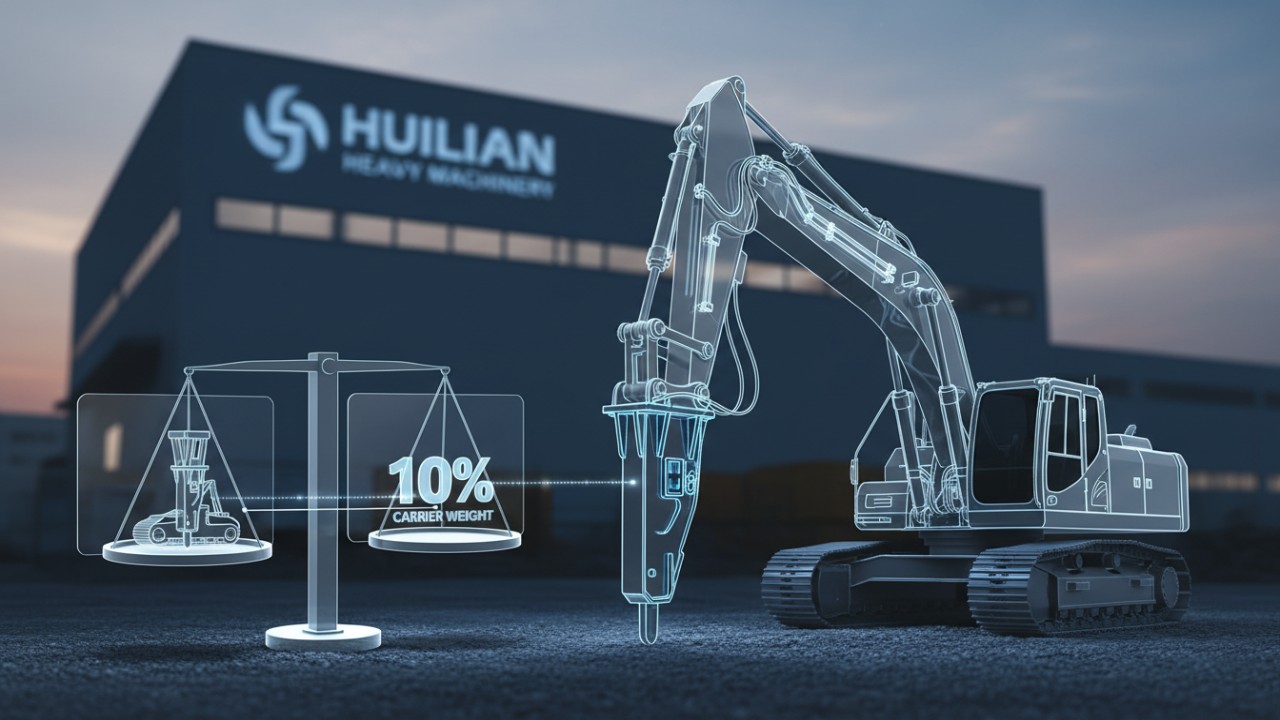
Selecting the correct excavator breaker size is a critical engineering decision that extends far beyond simply matching the attachment to the machine's tonnage. The golden rule is the weight ratio principle: an oversized hammer will severely destabilize the carrier and prematurely fracture the excavator's boom, while an undersized breaker will absorb excessive recoil and fail to penetrate hard rock. A comprehensive breaker size guide emphasizes aligning the tool with the specific geological task. Heavy-duty primary quarrying demands massive, high-impact breakers designed for unyielding granite. Conversely, urban road maintenance requires agile, mid-sized side-type units for selective concrete removal. When assessing breaker application & compatibility, contractors must evaluate the dominant rock hardness, the required daily production tonnage, and local noise regulations. By scientifically matching the breaker's physical dimensions, impact energy class, and structural housing type to the specific demands of the job site, project managers can ensure maximum operational efficiency and safeguard their equipment investments.
Maintenance and Longevity: Maximizing the Lifespan of Breakers
Transitioning from reactive repairs to proactive preventative maintenance is the only strategy to maximize excavator breaker lifespan and minimize catastrophic downtime. A rigorous maintenance protocol extends far beyond daily greasing. The most critical operational check is monitoring and maintaining the precise nitrogen gas pressure within the accumulator and the back head. Insufficient gas pressure immediately causes a drastic drop in impact energy and forces the hydraulic system to overcompensate, leading to overheating. Furthermore, technicians must routinely use a caliper to measure the clearance between the tool bit and the wear bushings. Allowing excessive wear in the bushings causes the chisel to strike the piston at an uneven angle, which inevitably leads to devastating cylinder scoring and shattered pistons. By committing to strict daily inspections, utilizing premium automated lubrication, and partnering with suppliers who offer rapid global spare parts availability, fleet managers can ensure their breakers remain in peak condition throughout their lifecycle.
Cost vs. Performance: Making the Right Investment in Breakers
In the heavy equipment sector, evaluating the performance vs. cost of breakers requires looking far beyond the initial purchase price. The true financial metric for contractors is the total cost of ownership and the cost per ton of fractured material. While budget-priced hammers may offer a lower capital expenditure (CapEx), they invariably inflate operational expenditure (OpEx) through frequent breakdowns, shattered tool bits, and devastating machine downtime. Investing in high-performance excavator attachments equipped with smart features—such as auto-lubrication and anti-blank firing mechanisms—drastically alters the ROI equation. These advanced systems prevent catastrophic operator errors and extend component life, allowing the premium upfront cost to be recovered within months through uninterrupted production and eliminated repair bills. Ultimately, a cost-effective breaker is one that combines superior metallurgical durability with precision fluid dynamics, guaranteeing relentless reliability that keeps your excavation fleet operating profitably in the world's most unforgiving environments.
Conclusion: Choose HUILIAN for Unmatched Breaking Power
Equipping your fleet with the right demolition tools demands uncompromising engineering excellence. When you need highly reliable excavator breakers built to survive extreme conditions, HUILIAN is your ultimate partner. We deliver industry-leading innovations—from robust anti-blank firing mechanisms to perfectly calibrated fluid dynamics—ensuring unparalleled durability. By choosing HUILIAN, you gain customized attachment solutions designed to perfectly match your carrier, slash maintenance costs, and maximize your ROI. Partner with us today to equip your fleet with premium quality and relentless breaking power.
Frequently Asked Questions (FAQs)
What are the key features that differentiate modern excavator breakers from older models?
Modern breakers feature advanced "smart" engineering, including Anti-Blank Firing (Auto-Stop) systems to prevent internal damage, integrated continuous Auto-Lubrication, and variable stroke technology. These eliminate operator errors and exponentially increase durability compared to older, purely mechanical models.
How does the hydraulic flow (LPM/GPM) affect the performance of the breaker?
The carrier's hydraulic flow is critical. If the flow is too high, it causes the breaker to operate too quickly, leading to hydraulic oil cavitation, severe overheating, and blown seals. If it's too low, the breaker will lack impact energy. A high-performance system requires strict flow and pressure matching.
What is the advantage of a silenced (Box-Type) breaker over a Side-Type?
A silenced box-type breaker encloses the cylinder in a fully sealed high-strength bracket with polyurethane damping materials. This drastically reduces noise pollution and absorbs violent recoil vibrations, protecting the excavator's boom. It is the preferred choice for urban demolition and countries with strict noise regulations.
How does an Anti-Blank Firing system protect my investment?
When the operator accidentally fires the breaker without the chisel firmly pressed against a rock, the massive kinetic energy has nowhere to go and is absorbed by the breaker's internal housing and tie rods. The Anti-Blank system detects this lack of resistance and instantly stops the piston, preventing catastrophic internal fractures.
What maintenance is strictly required to avoid catastrophic breaker failure?
Beyond daily greasing (if an auto-lube is not installed), the two most critical maintenance tasks are checking the nitrogen gas pressure to ensure proper impact energy, and measuring the wear bushings for excessive clearance. Worn bushings allow the chisel to strike the piston at an angle, leading to severe cylinder scoring.
What makes HUILIAN breakers cost-effective compared to other global brands?
HUILIAN leverages an integrated industry-and-trade model. We combine top-tier manufacturing technologies—like micro-machined pistons and heavy-duty dampening systems—with a streamlined global distribution network. This ensures you receive premium features (like Auto-lube and Anti-blank firing) and rapid spare parts availability without the excessive markup of traditional legacy brands, maximizing your long-term ROI.


About
Are your parts compatible with all excavator brands?
Yes, our parts are designed to be compatible with major brands like Komatsu, Caterpillar, Hitachi, Hyundai, Doosan, JCB, Kobelco, Sany, and many more.
What is your shipping and delivery time?
We offer fast and reliable global shipping. Delivery times vary depending on location and order size, but we strive to process and ship orders as quickly as possible.
How can I ensure I’m selecting the right part for my equipment?
Our expert team can assist you in finding the right part based on your machine model, specifications, and requirements. Contact us for personalized support.
What types of excavator parts do you offer?
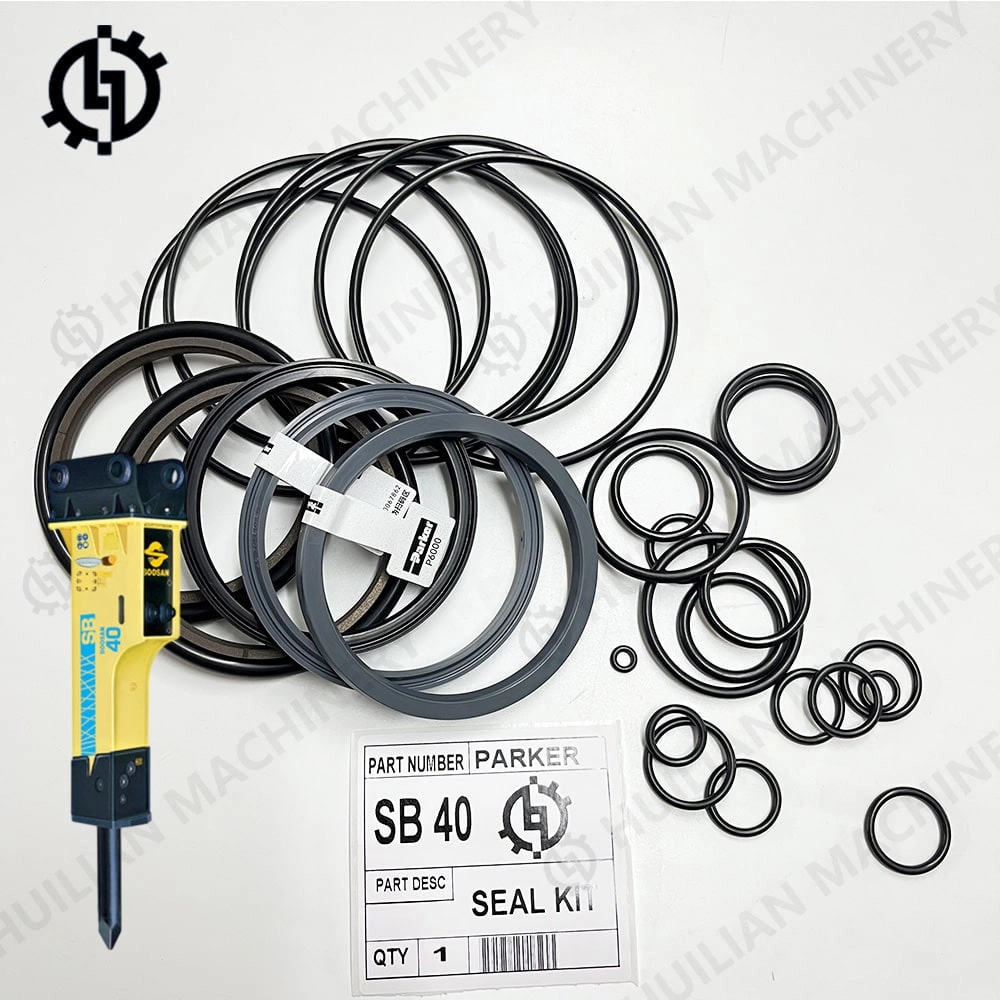
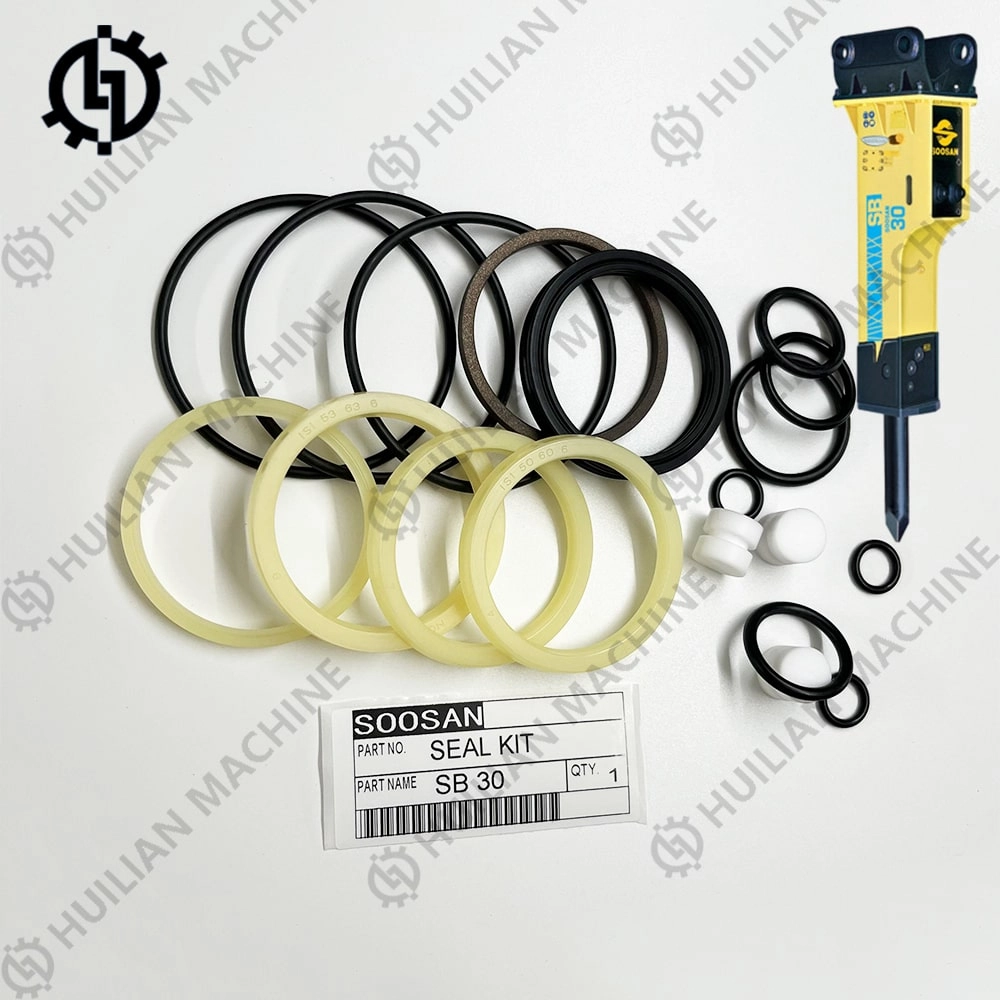
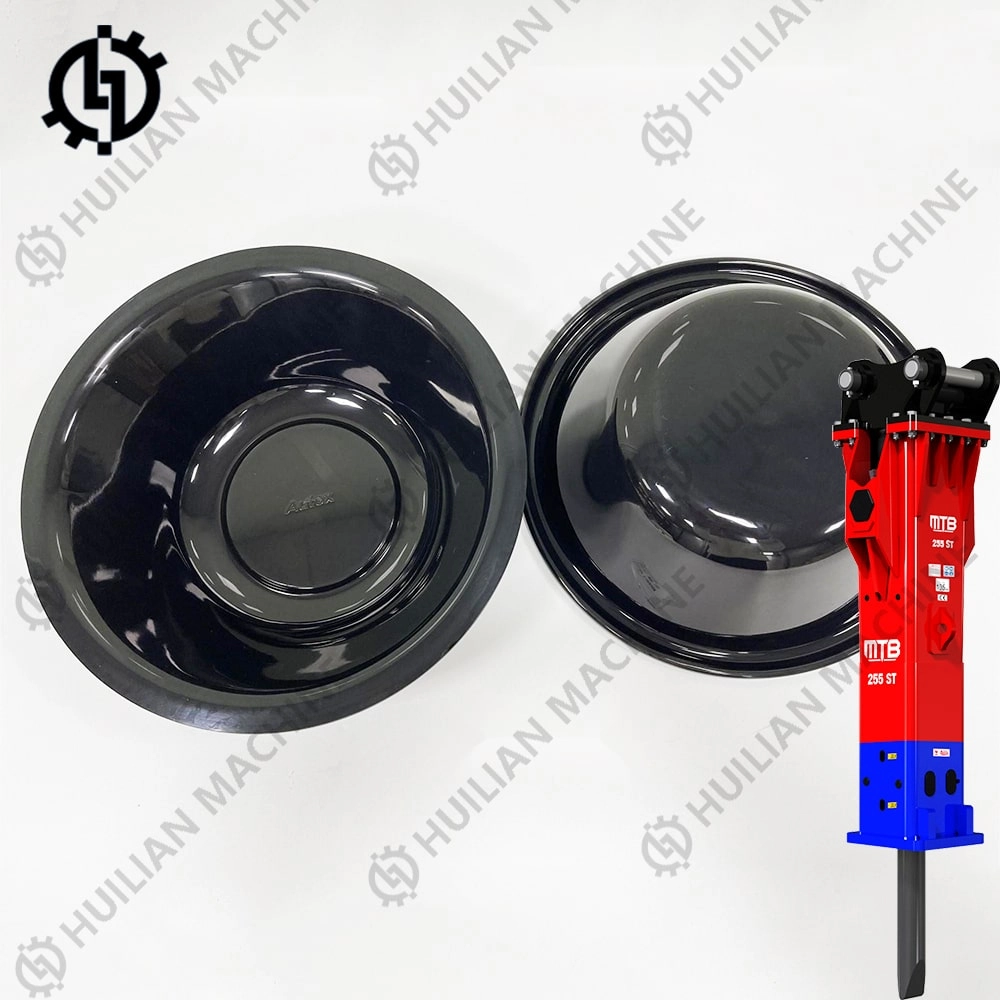
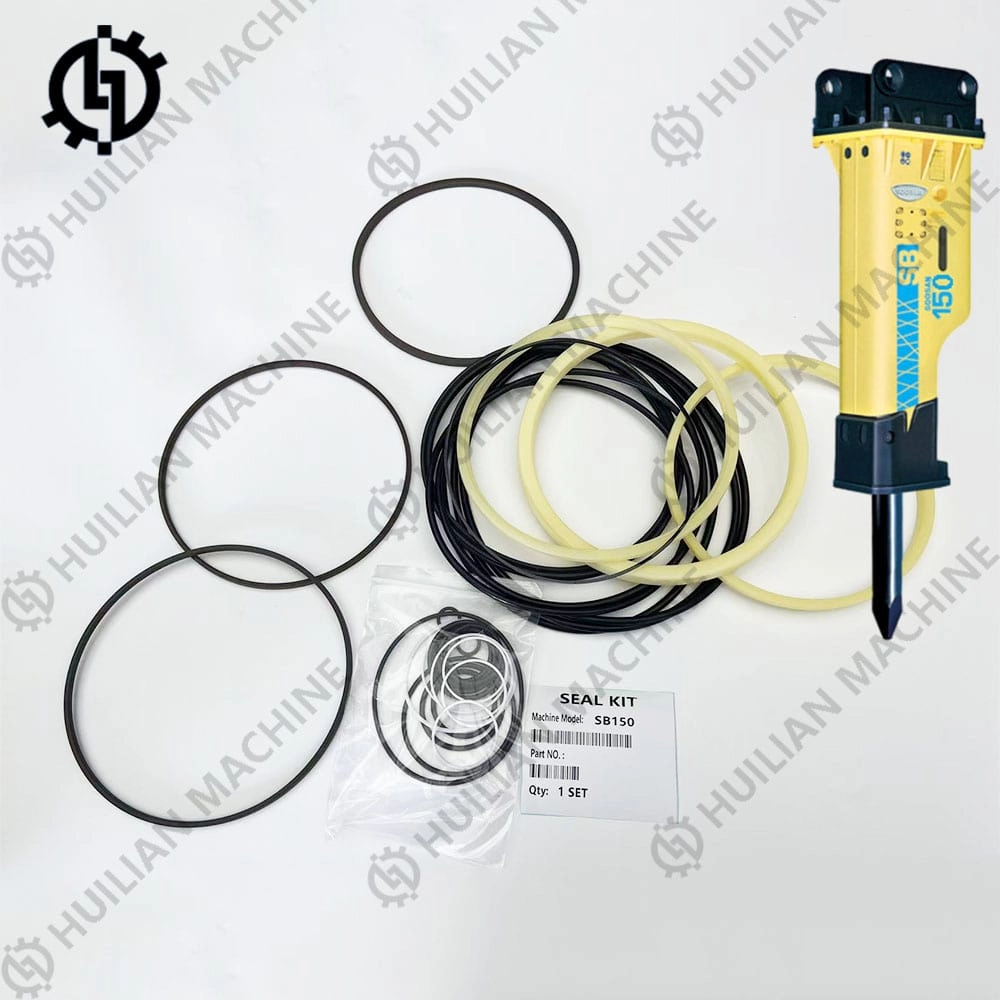
We provide a wide range of high-quality excavator parts, including hydraulic breakers, chisels, seal kits, diaphragms, pistons, wear bushes, retainer bars, through bolts, side bolts, valves, and liners.
Do you offer OEM and aftermarket parts?
Yes, we manufacture high-quality OEM parts and supply aftermarket parts from top brands such as NOK, Parker, SKF, and Hallite to ensure optimal performance.




Getting started is easy 
Contact with our experts to find the best excavator parts solutions for your needs. Discover how Huilian can enhance your equipment's performance and efficiency.


Get in touch
 About us
© 2025 HUILIAN MACHINE. All rights reserved