



Powering Progress: Best Use Cases for Hydraulic Breakers in Modern Construction
- What is Hydraulic Breaker Application & Compatibility?
- Quick Summary & Key Takeaways
- Core Use Cases for Hydraulic Breakers in Modern Construction
- Primary Demolition
- Trenching and Excavation
- Quarrying and Mining
- Road Construction
- Data Comparison: Breaker to Carrier Compatibility Sizing Table
- Expert Tips & Common Mistakes in Sizing and Flow Rates
- Industry Leading Solutions: Perfecting Compatibility
- Future Trends in Breaker Technology (2026 and Beyond)
- Conclusion
- Frequently Asked Questions
- How do I determine the right hydraulic breaker for my excavator?
- What happens if a hydraulic breaker is not compatible with the carrier?
- Can I use the same breaker on different brands of skid steers?
- What is the best breaker bit for reinforced concrete demolition?
- Why is hydraulic flow rate important for breaker compatibility?
- How do operating pressure and back pressure affect breaker performance?
- What are the most common applications for heavy-duty hydraulic breakers?
- How often should a hydraulic breaker be serviced for optimal application?
What is Hydraulic Breaker Application & Compatibility?
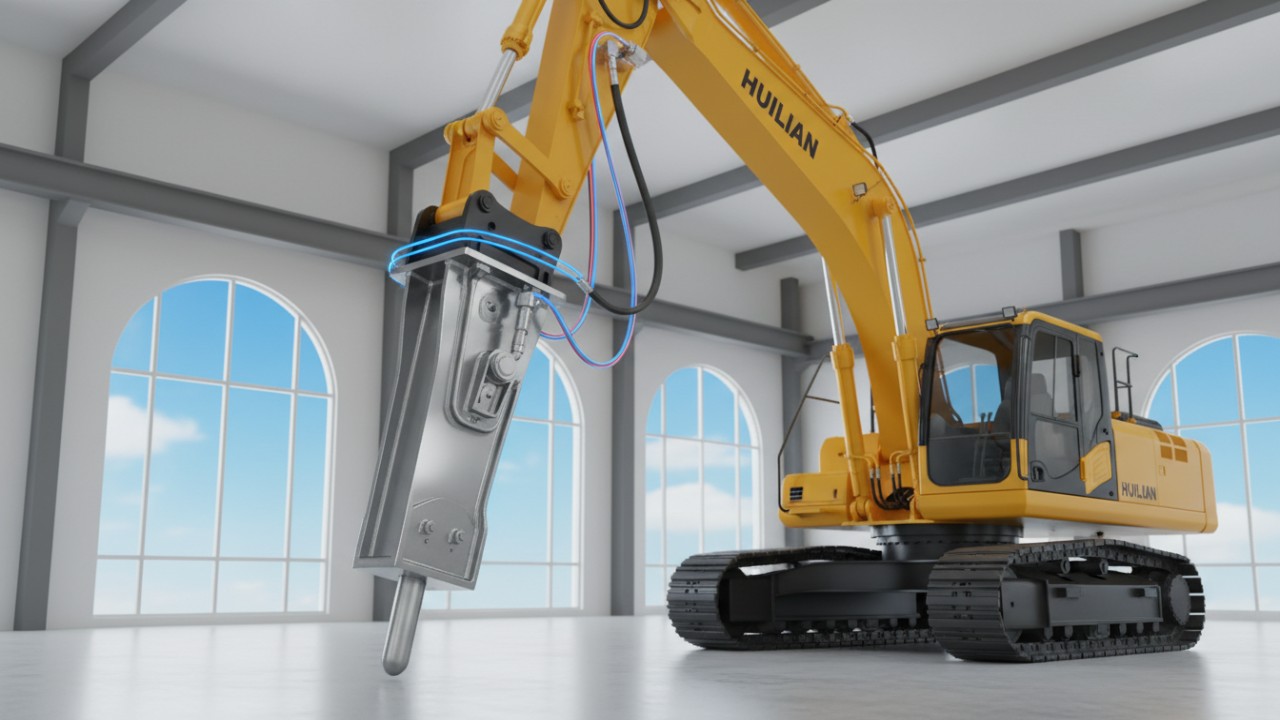
Hydraulic breaker application & compatibility refers to the precise matching of a demolition hammer to its carrier machine, such as an excavator or skid steer. It requires strictly aligning hydraulic flow rates, operating pressure, and carrier weight to ensure optimal breaking force and prevent catastrophic equipment damage.
In the fast-paced, high-stakes environment of modern construction, selecting the correct heavy machinery attachment is far more than a matter of operator preference—it is a strict matter of physics, engineering, and workplace safety. When contractors deploy heavy equipment demolition tools without verifying compatibility, they risk severe mechanical failures, voided warranties, and dangerous site conditions. According to safety and operational guidelines published by the Association of Equipment Manufacturers (AEM), strictly following carrier-mounted hydraulic breaker safety manuals and sizing protocols is absolutely crucial to prevent operational hazards and protect both the machinery and the personnel on site.
Quick Summary & Key Takeaways
To maximize demolition efficiency, contractors must verify that their carrier machine's hydraulic flow and operating pressure precisely match the breaker's requirements. Failure to achieve this alignment guarantees poor performance and accelerates internal component wear.
- Verify Hydraulic Output: Always ensure precise hydraulic breaker flow rate matching (Gallons Per Minute, or GPM) to prevent system overheating and blown seals.
- Match Weight Classes: Proper hydraulic hammer carrier sizing is critical; mounting a breaker that is too heavy risks machine tip-overs, while one too light will suffer from destructive recoil.
- Understand Applications: Primary construction breaker use cases include heavy structural demolition, municipal trenching, commercial quarrying, and foundation removal.
- Future-Proofing Your Fleet: Adapting to modern industry trends requires embracing automated anti-blank-firing technology and silenced housings for urban compliance.
Core Use Cases for Hydraulic Breakers in Modern Construction
Modern construction relies on heavy-duty hydraulic breakers for primary demolition, trenching, quarrying, and extensive roadwork projects. Understanding these specific applications ensures you deploy the right tool configuration for maximum productivity and minimal downtime.
Primary Demolition
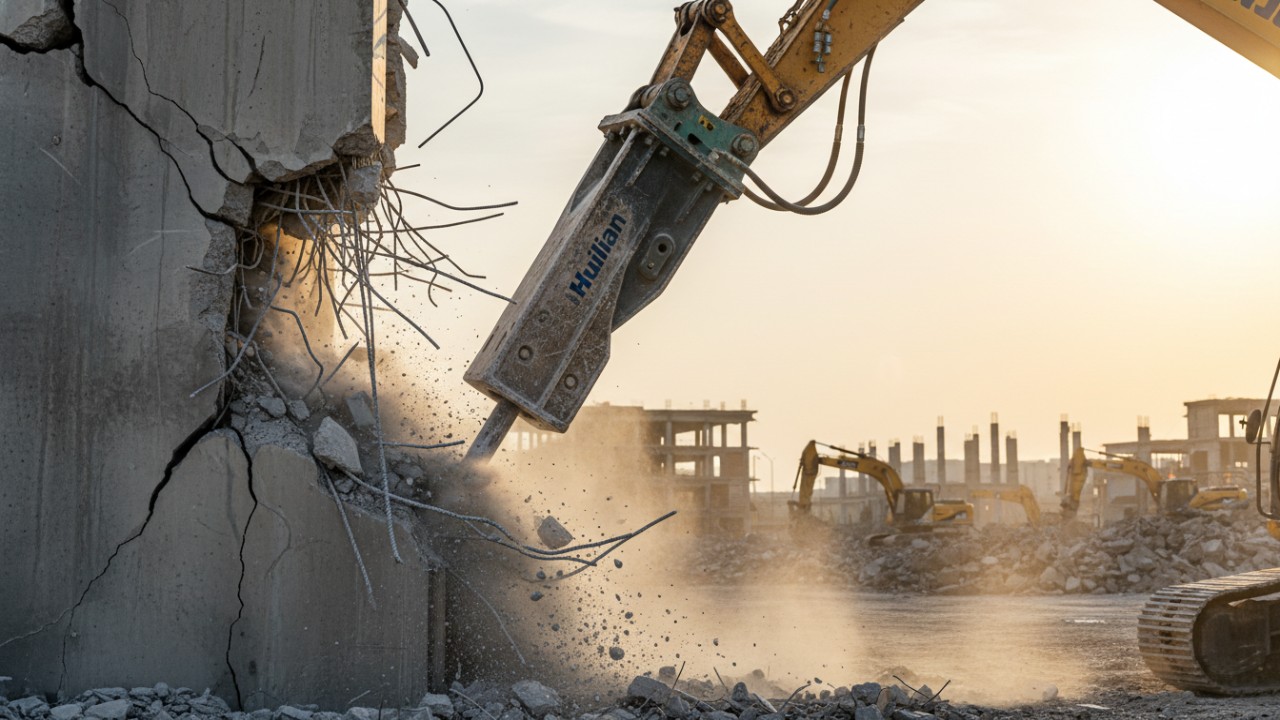
Safely and efficiently breaking down reinforced concrete structures, bridge decks, and commercial building foundations is the most common application for these attachments. In these scenarios, the breaker must deliver massive, sustained impact energy to fracture high-PSI concrete and separate it from internal steel rebar.
Trenching and Excavation
Penetrating highly compacted soil, shale, frozen ground, and hard rock is essential to lay utility lines, fiber optics, and municipal pipes. Breakers used in trenching are often subjected to abrasive environments, making the selection of high-quality seals and wear bushings paramount to keeping dirt out of the hydraulic system.
Quarrying and Mining
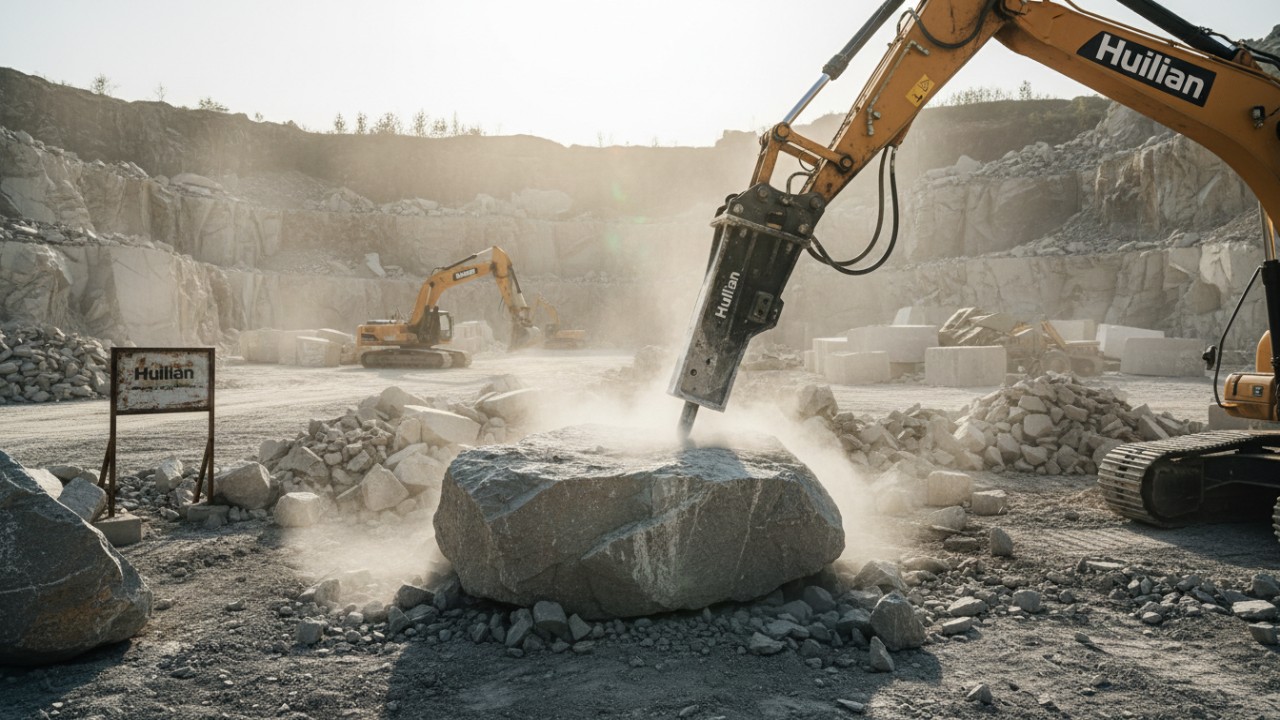
Executing the secondary breaking of oversized boulders prepares raw material for commercial crushers. For these extreme environments, continuous operation is required. Deploying specialized mining & quarrying breakers provides the necessary impact energy to fracture dense materials like granite and basalt without overheating the carrier's hydraulic fluid.
Road Construction
Rapidly removing deteriorated asphalt and concrete pavement is a staple of highway infrastructure projects. Utilizing properly sized breakers for road demolition accelerates project timelines significantly, allowing crews to clear debris and pour new surfaces ahead of schedule.
Data Comparison: Breaker to Carrier Compatibility Sizing Table
Choosing the correct breaker class based on carrier weight and hydraulic flow is critical for operational safety and mechanical efficiency. Proper excavator attachment compatibility ensures the machine can safely handle the dynamic loads and recoil generated during continuous operation.
To dive deeper into matching specific machine weights to breaker classes and ensuring structural stability, consult our comprehensive excavator tonnage matching guide.
Expert Tips & Common Mistakes in Sizing and Flow Rates
The most common sizing mistakes involve ignoring hydraulic back pressure and failing to measure actual flow rates at the auxiliary lines. Correcting these errors drastically improves impact energy and extends the lifespan of expensive internal components.
Mistake: Ignoring Hydraulic Back Pressure Back pressure acts as a restrictive force in the return line, stifling the piston's return stroke and severely limiting the breaker's impact energy. Data and standards from the National Fluid Power Association (NFPA) highlight that unmanaged hydraulic resistance leads to extreme heat generation, fluid degradation, and a massive drop in volumetric efficiency.
- Expert Tip: Always use a calibrated flow meter to test the carrier's actual hydraulic output and return line resistance at the auxiliary lines before finalizing installation.
Mistake: Frequent "Blank Firing" Operating the breaker without direct, firm contact to the material is known as blank firing. When this happens, the massive kinetic energy generated by the piston has nowhere to go. Instead of fracturing rock, the energy reflects back into the breaker body, rapidly destroying tie rods, retaining pins, and internal pistons.
- Expert Tip: Train operators to apply consistent downforce and immediately stop engaging the hydraulic pedal once the material fractures. Furthermore, select the specific tool bit (moil, chisel, or blunt) engineered for your exact application to prevent premature wear and increase fracturing speed.
Industry Leading Solutions: Perfecting Compatibility
Perfecting compatibility requires partnering with an experienced OEM supplier that provides comprehensive engineering support and advanced hydraulic breaker systems. By sourcing precision-engineered attachments and replacement parts, contractors can guarantee seamless integration with their existing heavy machinery fleet.
Founded in 2005, Guangzhou Huilian Machines Co., Ltd (operating under the brand name Huilian) is a premier professional OEM supplier and one of the leading excavator breaker parts manufacturers in China. Our deep industry expertise ensures that every product we manufacture meets the highest standards of excavator attachment compatibility.
We offer an industry-leading selection of advanced hydraulic breakers engineered for seamless, plug-and-play carrier integration. Our proprietary compatibility matrix ensures your excavator, backhoe, or skid steer operates at absolute peak efficiency without risking hydraulic blowout or structural damage.
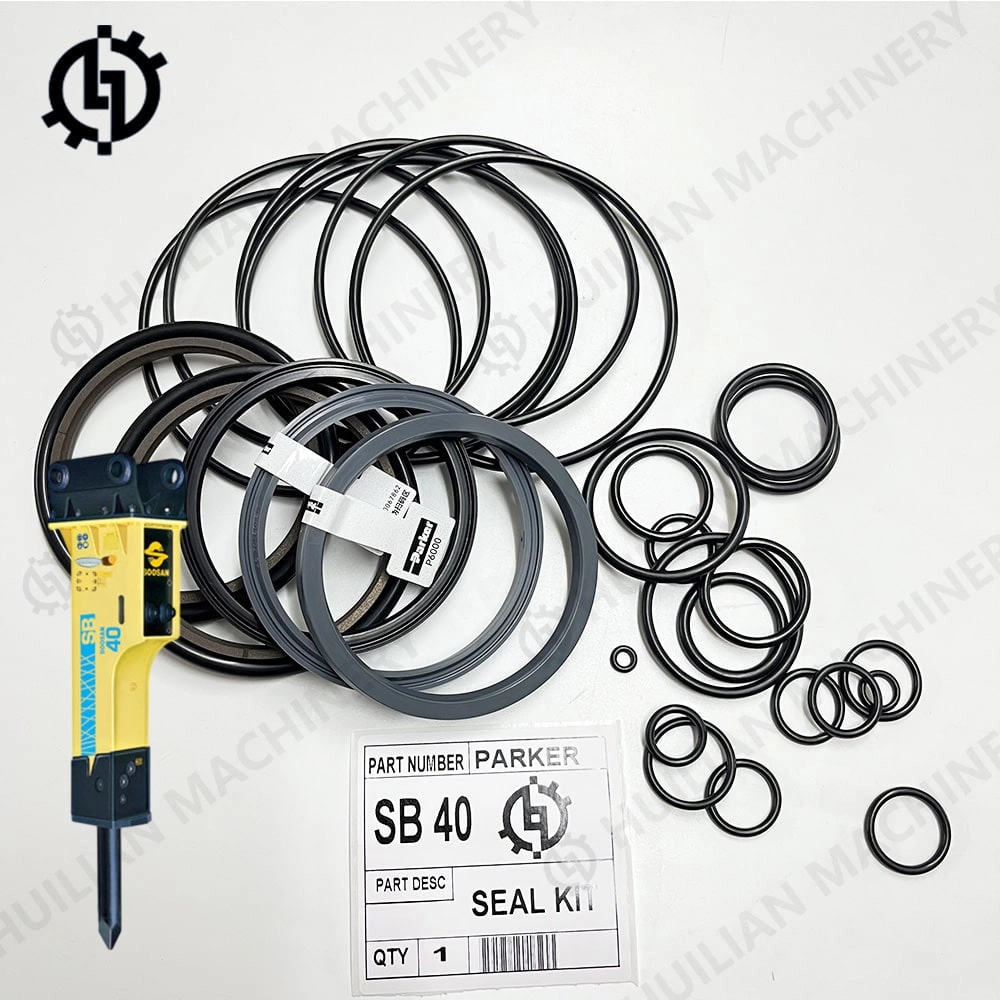
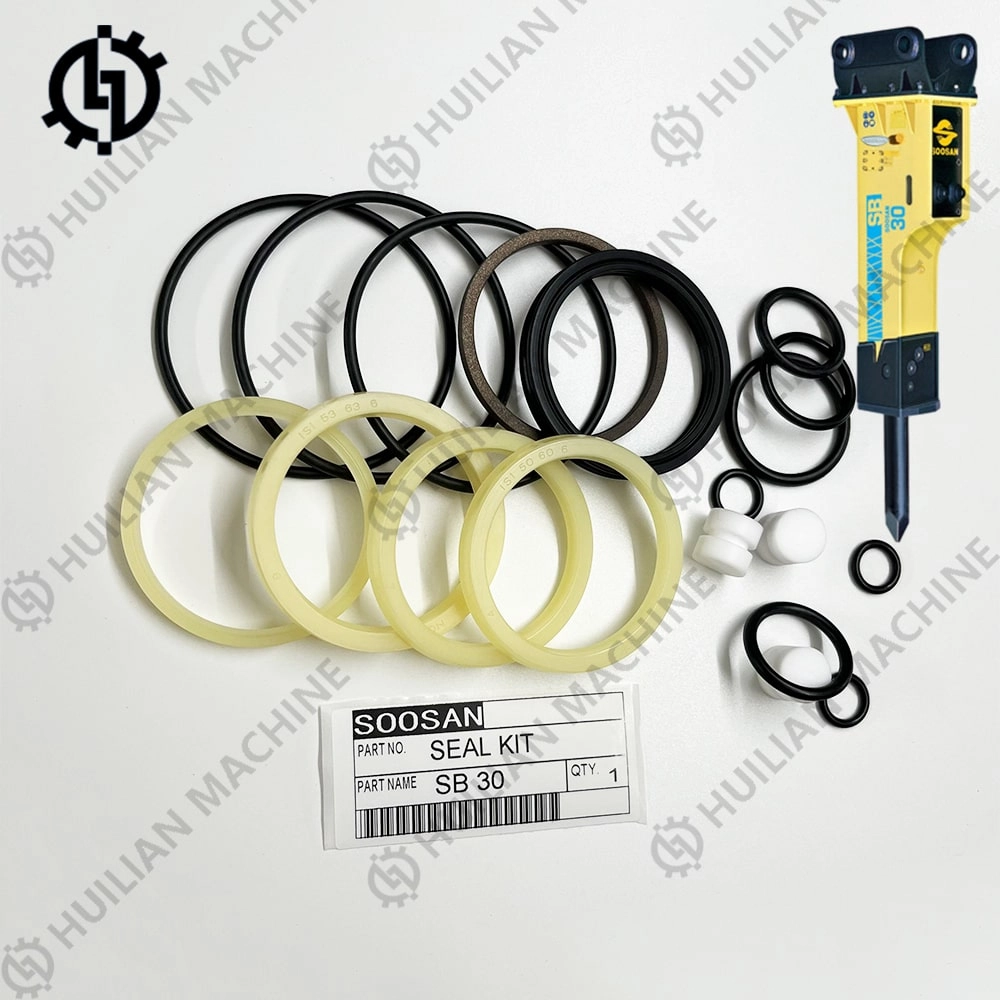
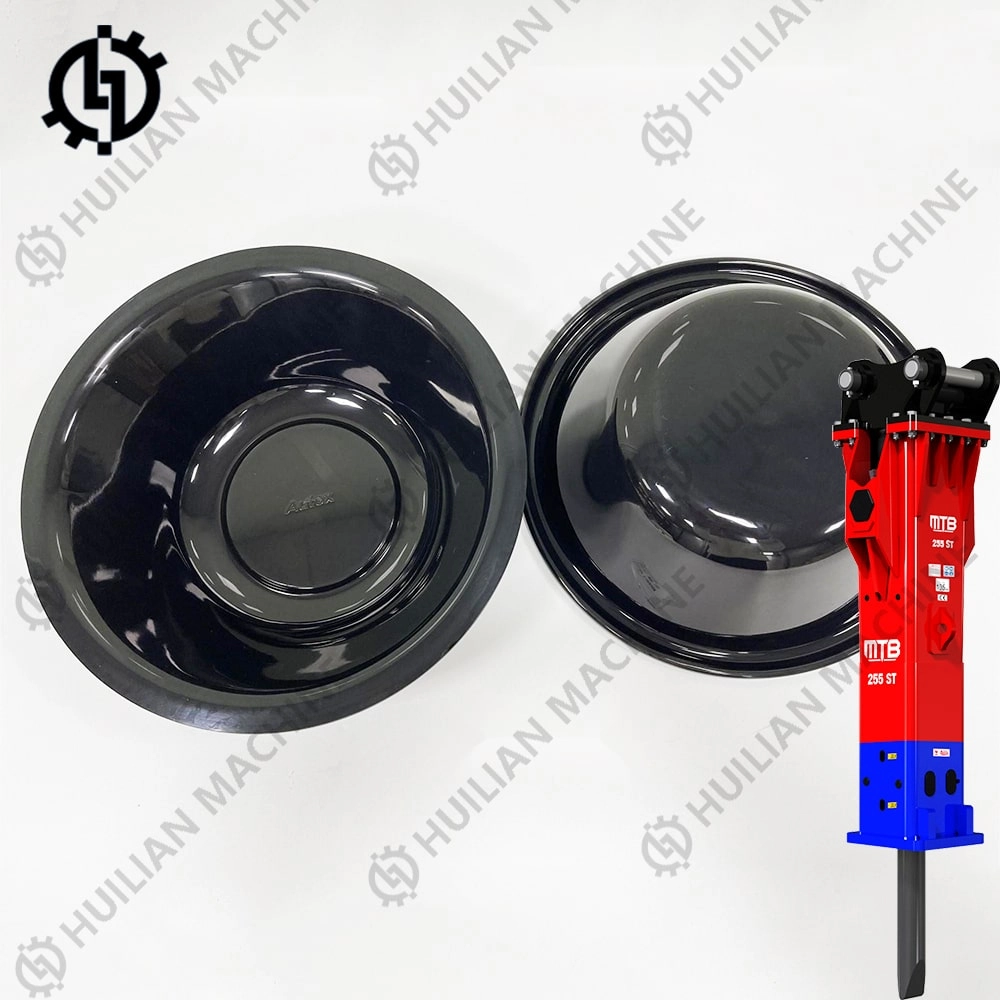
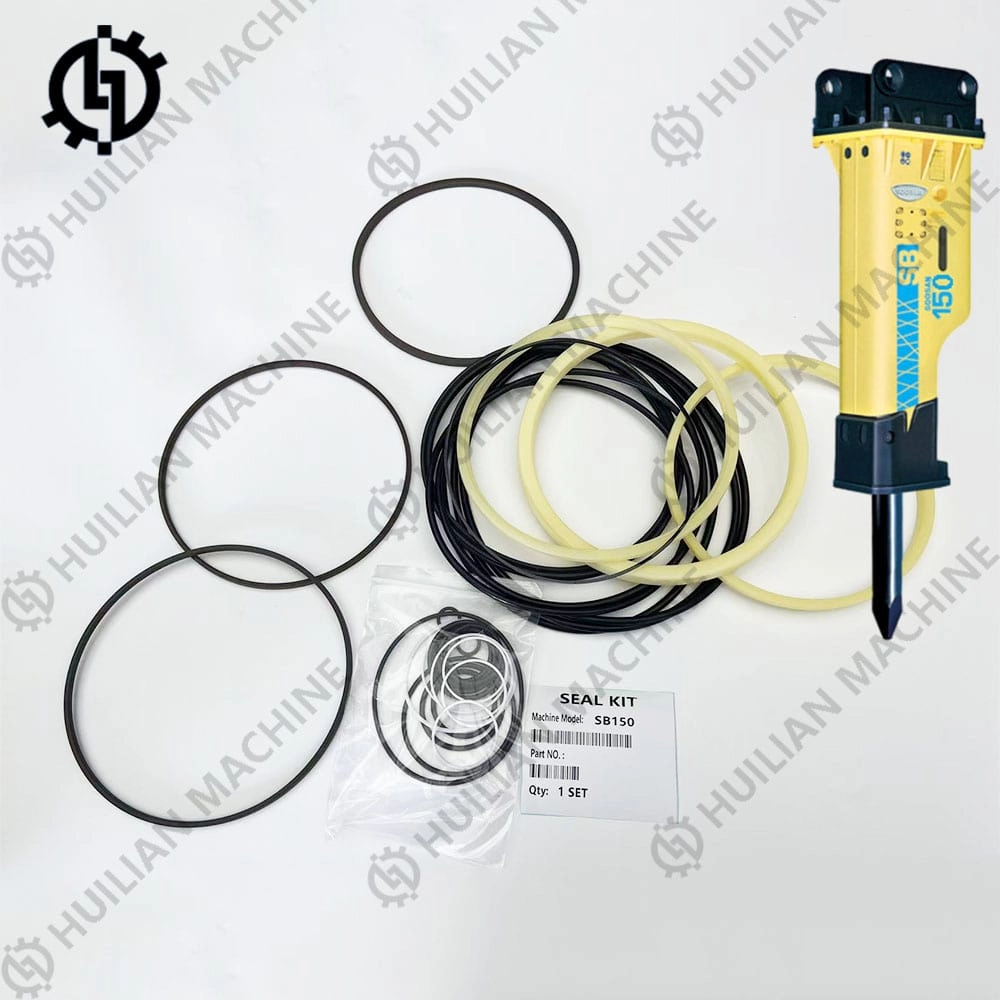
Beyond complete breaker units, Huilian is globally recognized for supplying critical replacement components. Our extensive catalog includes chisels, seals and seal kits (including premium Parker seal kits), diaphragms, pistons, WearBush, rompin/retainer bars, through bolts, side bolts, valves, and liners.
The Huilian Advantage:
- Global Reach & Trust: Our products are exported to over 90 countries and regions, highly regarded by customers worldwide for their exceptional durability and variety.
- Expert Engineering Team: Huilian's team comprises experienced R&D experts, skilled technicians, and rigorous quality control professionals dedicated to advancing fluid power technology.
- Proven Results (Case Study): Discover how our perfectly matched hydraulic breaker systems and precision seal kits increased a regional contractor's daily demolition yield by over 35%, while simultaneously slashing maintenance costs and eliminating hydraulic fluid leaks.
Future Trends in Breaker Technology (2026 and Beyond)
The future of breaker technology is defined by smart IoT sensors, automated variable-speed impact adjustments, and fully enclosed silenced housings. These advancements prioritize environmental compliance, precision engineering, and operator safety.
- Smart Attachments & IoT Integration: The adoption of smart attachments featuring IoT sensors allows for real-time monitoring of hydraulic flow, operating pressure, and fluid temperature. This data helps operators prevent overheating before it causes catastrophic seal failure.
- Automated Variable-Speed Technologies: Next-generation breakers automatically adjust their impact frequency (blows per minute) based on the hardness of the material being struck. This maximizes energy transfer and drastically reduces the risk of blank firing.
- Silenced Housings for Urban Compliance: Fully enclosed, silenced breaker housings are engineered with advanced polyurethane suspension systems. These designs reduce noise pollution to meet increasingly strict urban noise compliance regulations and align with Occupational Safety and Health Administration (OSHA) standards for permissible workplace noise exposure.
Conclusion
Understanding proper breaker application and strictly adhering to carrier compatibility guidelines is essential for maximizing construction productivity and equipment lifespan. Ensuring the correct match of hydraulic flow, pressure, and machine weight protects your heavy machinery, prevents costly downtime, and boosts ROI on every demolition and trenching project. By leveraging advanced attachments and partnering with reliable OEM suppliers, contractors can power progress on the job site with confidence and precision.
Contact Guangzhou Huilian Machines Co., Ltd today to discuss your specific needs.
Frequently Asked Questions
How do I determine the right hydraulic breaker for my excavator?
You must consult the manufacturer's compatibility chart to match the excavator's operating weight. Ensure the auxiliary hydraulic flow (GPM) and operating pressure of the excavator fall strictly within the breaker's acceptable range.
What happens if a hydraulic breaker is not compatible with the carrier?
Using an incompatible breaker can result in severe hydraulic system overheating, blown seals, or structural damage to the carrier's boom. It also drastically reduces breaking efficiency, increases the risk of safety hazards, and typically voids manufacturer warranties.
Can I use the same breaker on different brands of skid steers?
Yes, provided that both skid steers use a universal mounting bracket and share identical hydraulic flow and pressure specifications. You must always verify the hydraulic output of the new machine with a flow meter before swapping the attachment.
What is the best breaker bit for reinforced concrete demolition?
A chisel bit is typically the best choice for reinforced concrete as it provides a strong wedging action and excellent directional control. For highly abrasive or extremely dense concrete, a moil point may be used to concentrate maximum impact energy into a single focal point.
Why is hydraulic flow rate important for breaker compatibility?
Hydraulic flow rate dictates the speed, or blows per minute (BPM), of the breaker during operation. Too little flow results in sluggish, ineffective performance, while too much flow can cause severe internal damage, blown seals, and dangerous overheating.
How do operating pressure and back pressure affect breaker performance?
Operating pressure provides the raw power behind each strike; inadequate pressure means the breaker simply won't fracture hard rock. High back pressure resists the hydraulic flow returning to the carrier, causing a significant loss of impact energy and increasing overall operating temperatures.
What are the most common applications for heavy-duty hydraulic breakers?
Heavy-duty breakers are primarily used in primary quarrying, deep foundation removal, and heavy infrastructure demolition. They are specifically designed to handle continuous, high-impact operation on massive 30+ ton carriers in the harshest environments.
How often should a hydraulic breaker be serviced for optimal application?
Daily inspections should be conducted for loose tie rods, adequate greasing, and visible hydraulic leaks. A comprehensive teardown and resealing is typically recommended every 600 to 1,000 operating hours, depending on application severity and environmental conditions.


About
What types of excavator parts do you offer?
We provide a wide range of high-quality excavator parts, including hydraulic breakers, chisels, seal kits, diaphragms, pistons, wear bushes, retainer bars, through bolts, side bolts, valves, and liners.
What is your shipping and delivery time?
We offer fast and reliable global shipping. Delivery times vary depending on location and order size, but we strive to process and ship orders as quickly as possible.
Are your parts compatible with all excavator brands?
Yes, our parts are designed to be compatible with major brands like Komatsu, Caterpillar, Hitachi, Hyundai, Doosan, JCB, Kobelco, Sany, and many more.
How can I ensure I’m selecting the right part for my equipment?
Our expert team can assist you in finding the right part based on your machine model, specifications, and requirements. Contact us for personalized support.
Do you offer OEM and aftermarket parts?
Yes, we manufacture high-quality OEM parts and supply aftermarket parts from top brands such as NOK, Parker, SKF, and Hallite to ensure optimal performance.




Getting started is easy 
Contact with our experts to find the best excavator parts solutions for your needs. Discover how Huilian can enhance your equipment's performance and efficiency.


Get in touch
 About us
© 2025 HUILIAN MACHINE. All rights reserved