



2026 Buyer's Guide: Best Hydraulic Breaker for Mini Excavator for Sale & ROI Analysis
- What is a Hydraulic Breaker for a Mini Excavator?
- Quick Summary: Key Buyer Considerations for 2026
- Sizing Mastery: Matching Carrier Weight and Hydraulic Flow
- Identifying Premium Items in the For Sale List: 2026 Inventory
- Expert Tips: Common Mistakes That Kill Hydraulic Breakers
- Tool Bit Science: Moil vs Chisel Tool Bits
- The 2026 ROI Factor: How Breakers Pay for Themselves
- References
What is a Hydraulic Breaker for a Mini Excavator?
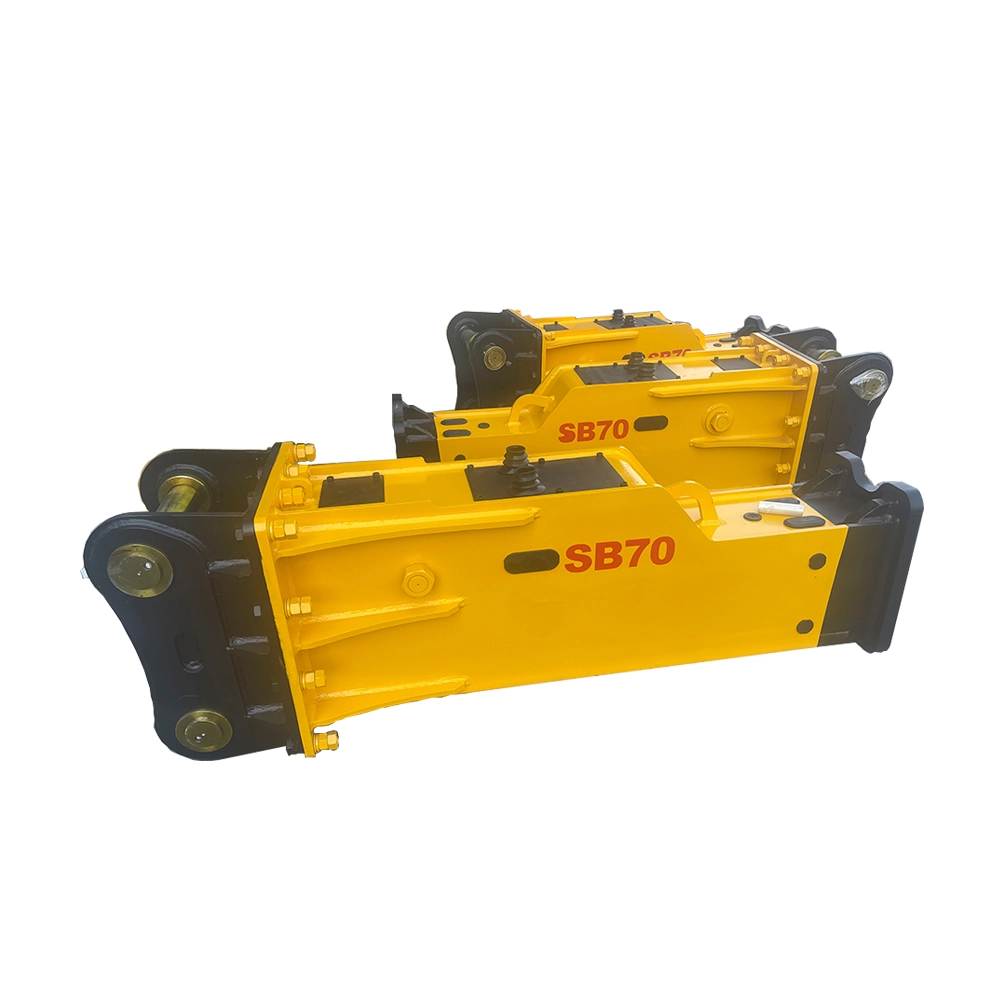
A hydraulic breaker is a high-powered percussion attachment designed for mini excavators to demolish concrete, rock, and asphalt by converting the carrier's hydraulic oil flow into mechanical impact energy.
This attachment, often called a hammer, transforms a compact machine into a demolition powerhouse, allowing it to perform heavy-duty work in confined urban spaces where larger equipment cannot fit. Selecting the right unit for sale requires strictly matching the breaker's impact energy class to the mini excavator's operating weight and oil pressure capabilities.
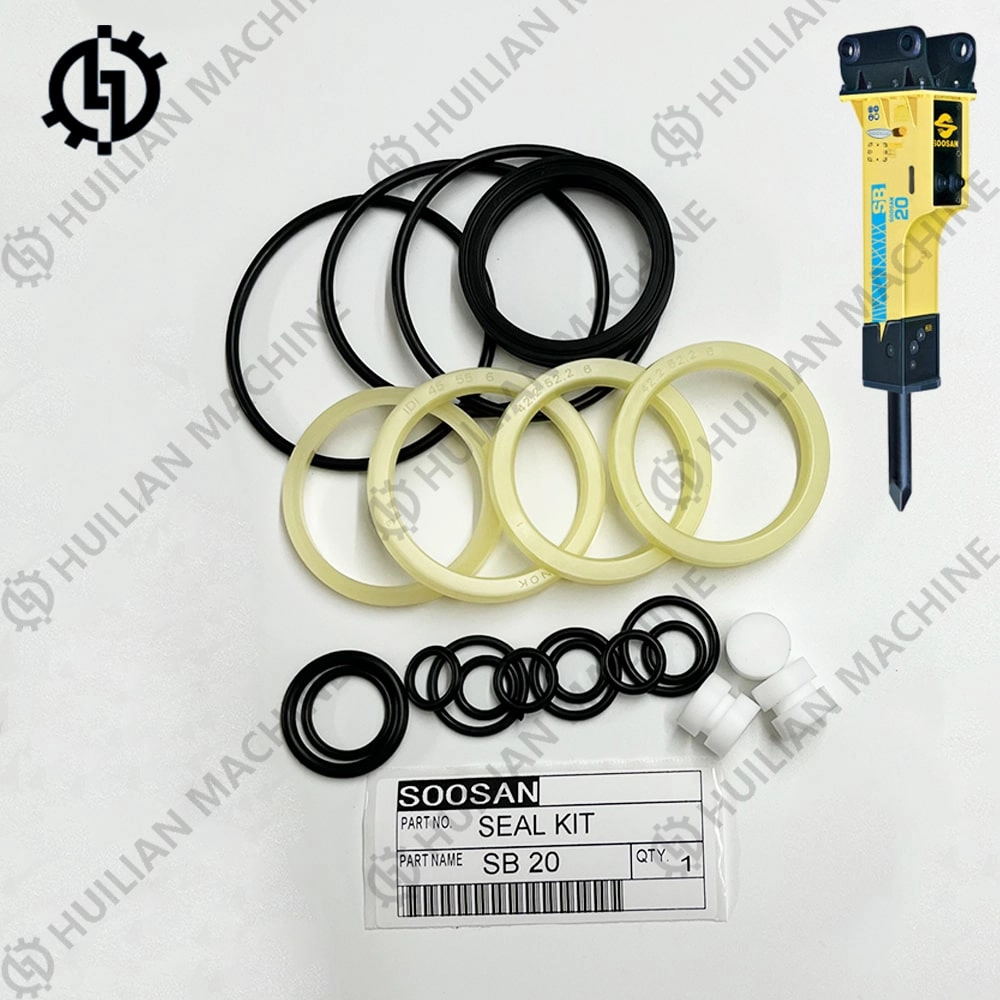
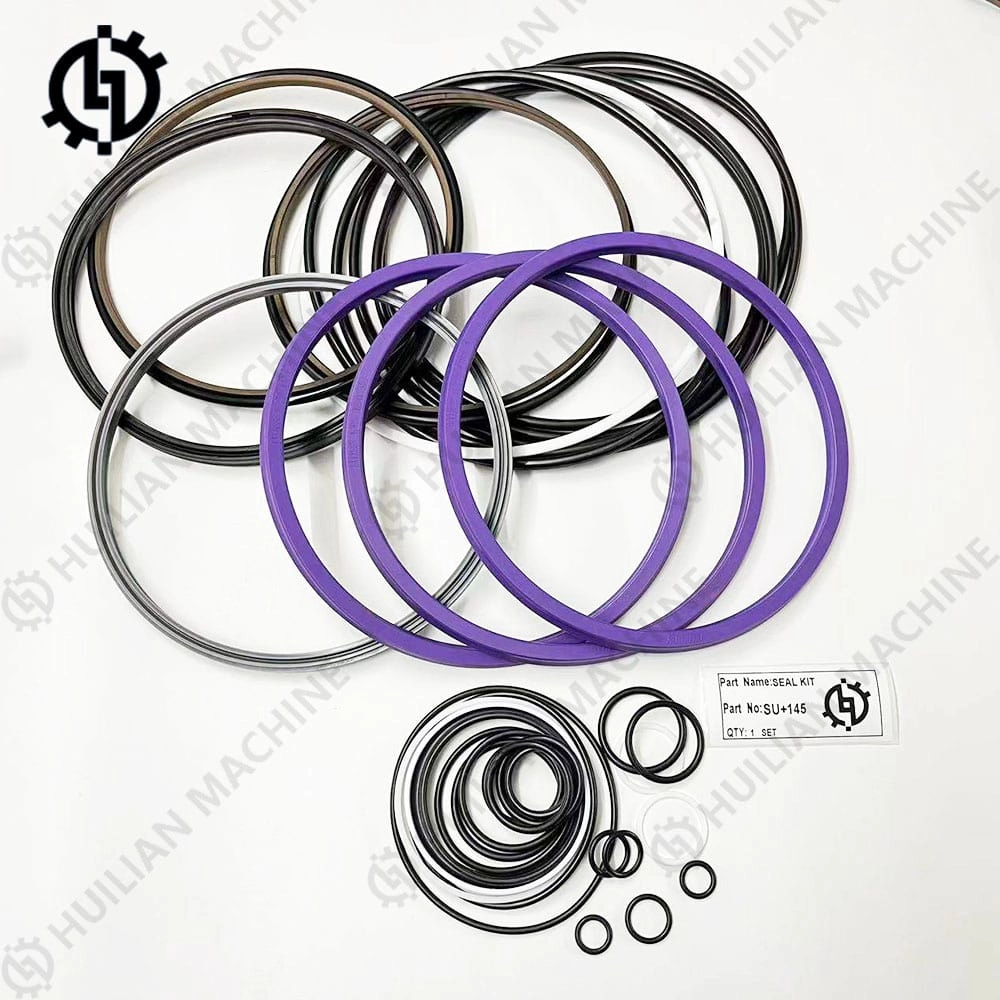
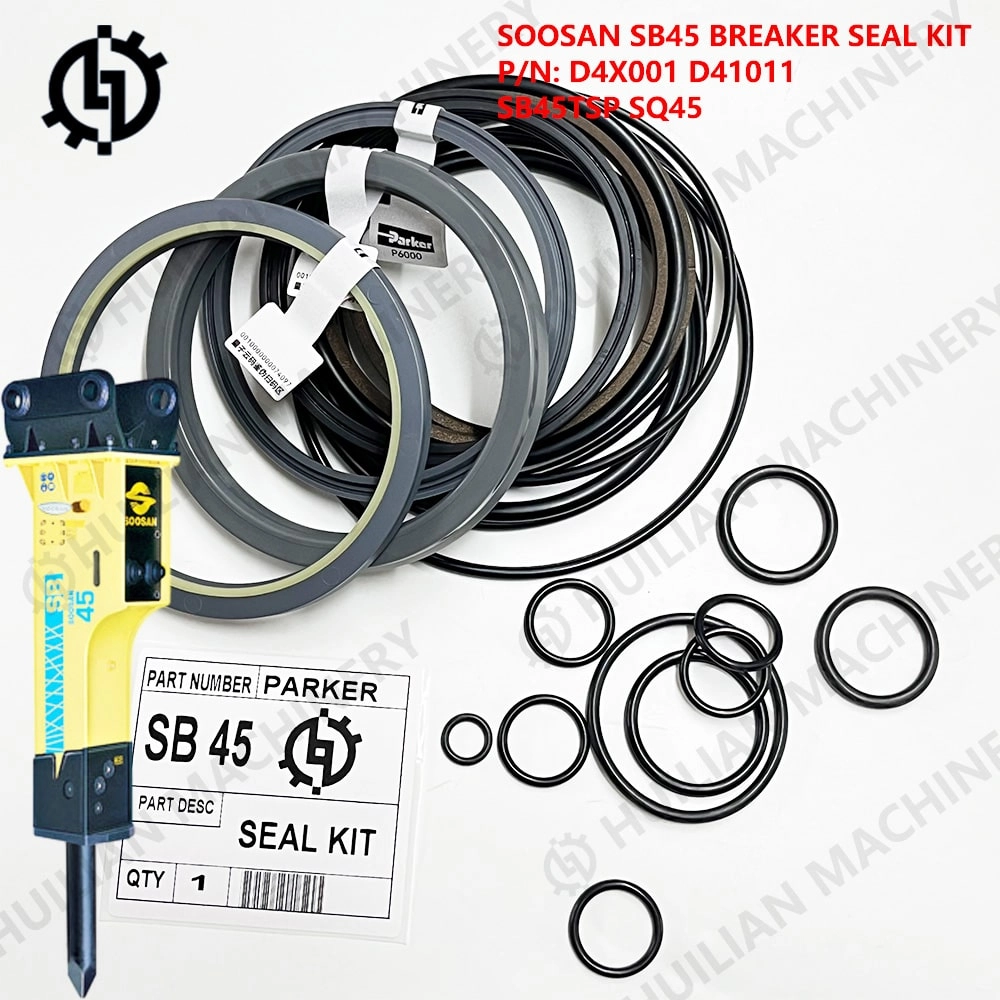
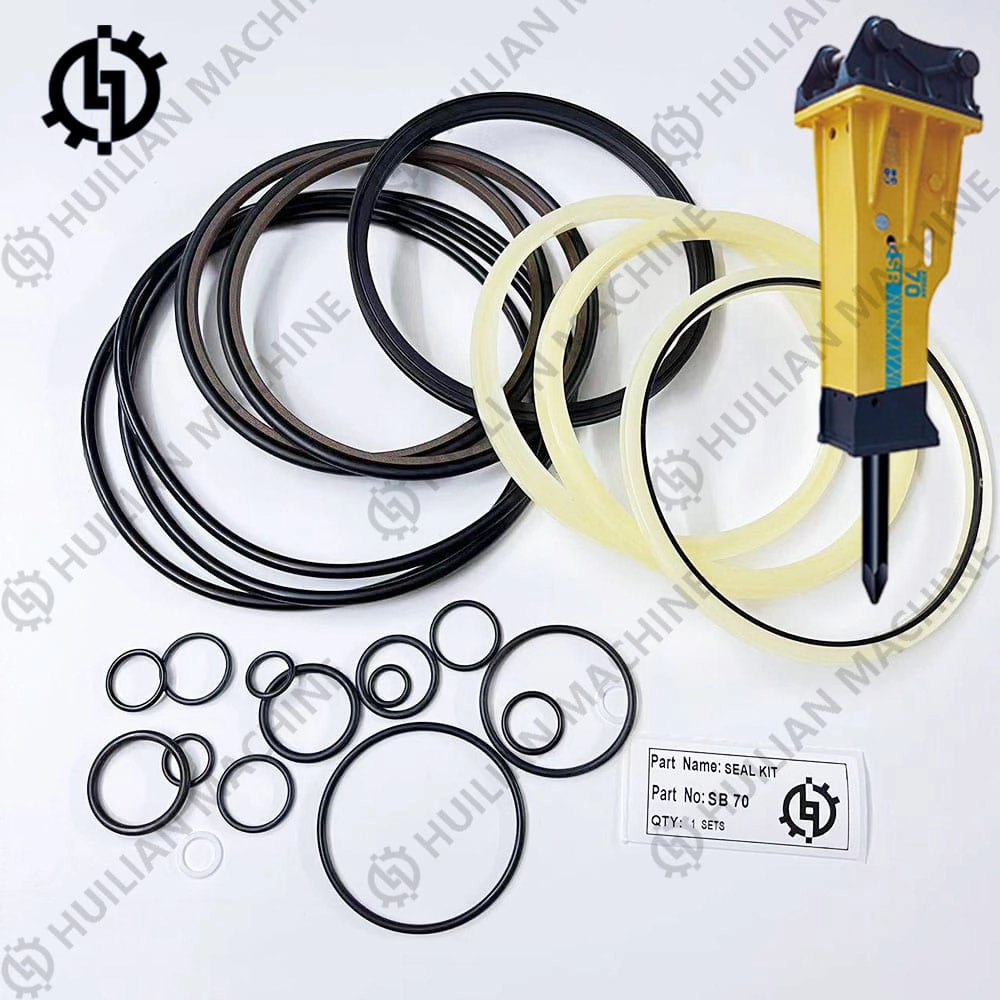
According to Guangzhou Huilian Machines Co., Ltd, a leading OEM supplier established in 2005, the lifespan of these attachments relies heavily on the quality of internal components like the piston and seal kits. Huilian, which exports to over 90 countries, emphasizes that premium alloy steel components significantly reduce the risk of premature failure during high-stress demolition tasks.

Quick Summary: Key Buyer Considerations for 2026
To maximize ROI and prevent equipment failure, buyers must strictly adhere to the 10% weight rule and verify hydraulic flow compatibility before purchase.
If you are skimming for immediate answers, use this checklist before browsing "for sale" listings:
- The 10% Rule: Your breaker should weigh approximately 10% of your mini excavator's operating weight (e.g., a 600 lb breaker for a 6,000 lb machine).
- Check Flow (GPM): Ensure your machine's mini excavator breaker flow rate requirements match the hammer's spec. Too much flow causes overheating; too little causes low impact frequency.
- Mounting Systems: Verify if the unit includes a pin-on or quick-coupler bracket compatible with your specific machine brand (Bobcat, Kubota, CAT, etc.).
- New vs. Used: When buying used, always check the remaining life of the nitrogen accumulator and the state of the bushings.
Sizing Mastery: Matching Carrier Weight and Hydraulic Flow
Correct sizing is the single most critical factor in breaker performance; an oversized breaker damages the carrier's boom, while an undersized unit delivers poor demolition productivity.
Achieving hydraulic hammer attachment compatibility involves more than just physical mounting. It requires a balance of physics and hydraulic dynamics.
- The Physics of Productivity: A breaker that is too heavy will destabilize the mini excavator, causing safety hazards and potential tipping. Conversely, a breaker that is too light will bounce off the material rather than penetrating it, leading to "blank firing" and internal damage.
- Hydraulic Harmony: You must ensure the excavator's auxiliary hydraulic circuit provides the correct Gallons Per Minute (GPM) and pressure (PSI). Industry data suggests that for 5-ton excavators, a flow rate of 12-22 GPM is standard. Exceeding this without a flow control valve will blow out the breaker's seals.
- Weight Classes:
- 1-3 Ton Excavators: Typically require 200-450 lb breakers.
- 5-8 Ton Excavators: Typically require 500-900 lb breakers.
Identifying Premium Items in the For Sale List: 2026 Inventory
High-quality hydraulic breakers feature fully enclosed silenced housings, auto-grease ports, and manufacturer-backed warranties that cover internal components like the piston and front head.
As the market expands—projected to reach over $2.1 billion by 2025—the number of generic, low-quality units has increased. Here is how to filter for quality:
- Industry Leading Brands vs. OEM: While big names like Epiroc are standard, experienced OEM suppliers like Huilian offer compatible high-performance parts (pistons, cylinders, control valves) that rival major brands at a better price point. Their experience since 2005 ensures that even aftermarket solutions meet rigorous global standards.
- Digital Maintenance Logs: For 2026, look for breakers equipped with IoT usage trackers. These digital logs prove the tool hasn't been abused through blank firing.
- Package Inclusion: A "ready-to-work" listing should include hydraulic hoses, two tool bits, and a nitrogen charging kit for hydraulic hammers. If these are missing, you are looking at $500+ in immediate extra costs.
Expert Tips: Common Mistakes That Kill Hydraulic Breakers
The most common cause of hydraulic breaker failure is "blank firing," which occurs when the operator continues to activate the hammer after the material has already broken.
To extend the life of your investment, follow these non-negotiable operational rules:
- Avoiding Blank Firing: When the piston strikes the tool bit without resistance (because the rock is already broken), the energy shockwave is sent back into the breaker body. This metal-on-metal impact destroys seals and front heads instantly.
- The 15-Second Rule: Never run the breaker in one spot for more than 15 seconds. If the material doesn't crack, reposition. Heat buildup from prolonged impacting softens the tool bit, causing it to mushroom or snap.
- Greasing Discipline: Manual or auto-greasing is required every two hours of continuous use. Lack of grease causes friction welding between the bushing and the tool bit.
- Nitrogen Maintenance: Keep your nitrogen charging kit for hydraulic hammers handy. Levels should be checked every 100 operating hours. Standard pressure often hovers between 1.4-1.6 MPa, but always check your manual.
Tool Bit Science: Moil vs Chisel Tool Bits
Selecting the correct tool bit shape significantly impacts demolition speed; moil points are for penetration, while chisel bits are for cutting and controlling fracture lines.
Understanding the moil vs chisel tool bits debate is key to efficiency:
- Moil Point (The Pencil):
- Best For: Reinforced concrete and general demolition.
- Mechanism: Concentrates force into a single point to penetrate and shatter. It acts like a needle, driving deep into the material to create internal stress cracks.
- Chisel Bit (The Wedge):
- Best For: Trenching, cutting asphalt, and breaking curbs.
- Mechanism: Spreads the force along a line. This provides better directional control, allowing operators to slice off sections of concrete without shattering the surrounding area.
The 2026 ROI Factor: How Breakers Pay for Themselves
A properly sized mini excavator breaker can replace a 4-man jackhammer crew, delivering an ROI in as little as 3-6 months depending on utilization rates.
Analyzing demolition productivity metrics reveals why this attachment is a profitable asset:
- Labor Efficiency: One operator with a breaker can demolish 15-30 cubic yards of concrete per hour, a task that would take a manual crew days.
- Fuel Economy Trends: Advanced 2026 breaker valves are designed to reduce hydraulic back-pressure, lowering fuel consumption per ton of material broken.
- Resale Value: Quality units retain value well. A well-maintained Huilian or major brand breaker can retain up to 60% of its value after three years, making the "Total Cost of Ownership" highly favorable.
- Urban Compliance: "Silenced" breakers (box-type) reduce noise by approx 30%, a critical feature for winning bids in residential zones with strict noise ordinances.
References


About
Are your parts compatible with all excavator brands?
Yes, our parts are designed to be compatible with major brands like Komatsu, Caterpillar, Hitachi, Hyundai, Doosan, JCB, Kobelco, Sany, and many more.
What types of excavator parts do you offer?
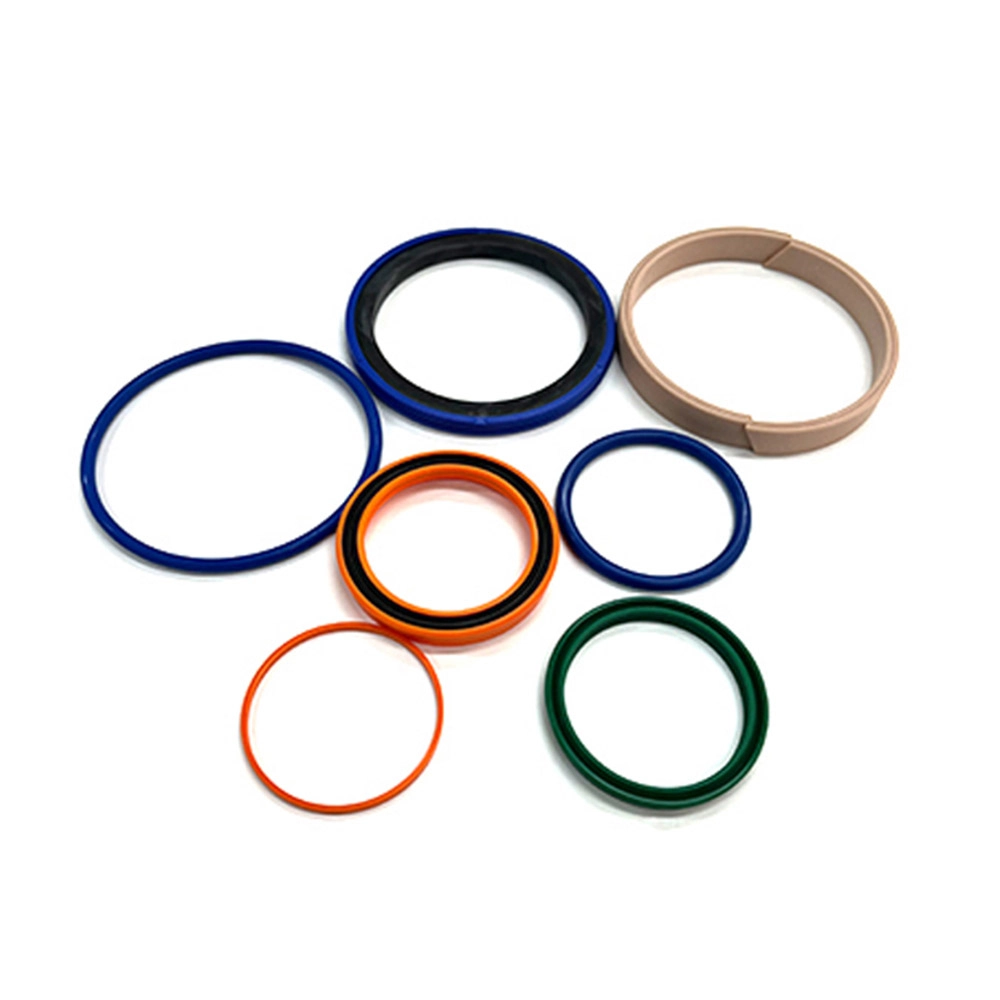
We provide a wide range of high-quality excavator parts, including hydraulic breakers, chisels, seal kits, diaphragms, pistons, wear bushes, retainer bars, through bolts, side bolts, valves, and liners.
What is your shipping and delivery time?
We offer fast and reliable global shipping. Delivery times vary depending on location and order size, but we strive to process and ship orders as quickly as possible.
How can I ensure I’m selecting the right part for my equipment?
Our expert team can assist you in finding the right part based on your machine model, specifications, and requirements. Contact us for personalized support.
Do you offer OEM and aftermarket parts?
Yes, we manufacture high-quality OEM parts and supply aftermarket parts from top brands such as NOK, Parker, SKF, and Hallite to ensure optimal performance.


Getting started is easy 
Contact with our experts to find the best excavator parts solutions for your needs. Discover how Huilian can enhance your equipment's performance and efficiency.


Get in touch
 About us
© 2025 HUILIAN MACHINE. All rights reserved