


The Ultimate Guide to Excavator Spare Parts: OEM vs. Aftermarket and Ensuring the Perfect Fit
- Introduction
- What are the most frequently replaced excavator spare parts?
- Are genuine OEM excavator spare parts better than aftermarket alternatives?
- How can I ensure compatibility when choosing excavator spare parts?
- What factors influence the cost of excavator spare parts?
- Where can I find reliable and affordable excavator spare parts?
- Why do excavator undercarriage and hydraulic parts fail?
- How can I reduce maintenance costs for my excavator spare parts?
- When should I replace critical excavator spare parts to prevent downtime?
- Conclusion
- Call to Action
Introduction
Operating heavy machinery is a demanding endeavor that subjects every component to immense stress, friction, and environmental wear. At the heart of a profitable construction or mining operation is the reliability of your fleet, which inevitably relies on the quality and availability of excavator spare parts. Whether you are moving mountains of earth, demolishing concrete structures, or trenching for utilities, the components of your machine are in a constant state of degradation.
Navigating the complex landscape of heavy equipment maintenance requires more than just mechanical knowledge; it demands strategic decision-making. Choosing between OEM and aftermarket components, understanding compatibility, and knowing exactly when to swap out critical parts can mean the difference between a highly profitable project and devastating operational downtime. This comprehensive guide will walk you through the essential knowledge needed to master the procurement and management of excavator spare parts.
What are the most frequently replaced excavator spare parts?
The grueling nature of excavation means that certain components are practically treated as consumables. Ground Engaging Tools (GET) are typically the first line of wear. Bucket teeth, side cutters, and cutting edges absorb the direct impact and abrasive forces of rocks, gravel, and packed dirt. Depending on the terrain, these parts may need replacement every few weeks to maintain digging efficiency and protect the bucket's structural integrity.
Following closely behind GET are undercarriage replacement parts. The undercarriage bears the entire weight of the machine while navigating unforgiving landscapes. Track shoes, bottom rollers, top carrier rollers, idlers, and drive sprockets are locked in a continuous battle against friction and debris. Regularly replacing worn sprockets and stretched track chains is an unavoidable reality of owning tracked machinery.
Filters and fluids represent another massive category of frequently replaced items. Engine oil filters, hydraulic fluid filters, air filters, and fuel water separators are the lifeblood defense mechanisms of your machine. Without strict adherence to replacement schedules for these filters, internal engine and hydraulic components would rapidly destroy themselves through particulate abrasion.
Finally, hydraulic system components such as high-pressure hoses, O-rings, and cylinder seals require frequent monitoring and replacement. Hydraulic hoses are particularly vulnerable to external abrasion, UV degradation, and internal pressure spikes. Replacing a weeping seal or a frayed hose is a common routine task that prevents catastrophic fluid loss and environmental contamination.
Are genuine OEM excavator spare parts better than aftermarket alternatives?
The debate between Original Equipment Manufacturer (OEM) parts and aftermarket alternatives is as old as the heavy machinery industry itself. Genuine OEM excavator spare parts are engineered by or directly for the company that built your machine. The primary advantage of OEM parts is their guaranteed precision and compatibility. They are built to the exact dimensional and metallurgical specifications of the factory original, ensuring seamless integration and performance.
On the other hand, aftermarket parts are manufactured by third-party companies. Their biggest draw is cost-effectiveness, often coming in at 20% to 50% less than their OEM counterparts. Furthermore, the aftermarket industry is vast and competitive, which generally translates to wider availability and faster shipping times, especially for older machine models that the original manufacturer may no longer heavily support.
The critical distinction lies in quality variance. While OEM parts offer a consistent, predictable standard backed by comprehensive factory warranties, aftermarket earthmoving machinery spares exist on a spectrum. Premium aftermarket manufacturers often reverse-engineer parts to match or even exceed OEM quality, sometimes correcting known factory flaws. Conversely, budget-tier aftermarket parts can suffer from poor metallurgy, leading to premature failure and collateral damage.
Ultimately, the choice depends on the specific component and the machine's lifecycle stage. Critical, high-tolerance internal components—like main hydraulic pumps or engine control modules—are often best sourced as OEM. However, for heavy steel components like buckets, tracks, or basic wear items, reputable aftermarket parts offer an exceptional balance of durability and financial savings.
How can I ensure compatibility when choosing excavator spare parts?
The single most important step in ensuring compatibility is locating and utilizing your excavator's serial number. Heavy machinery manufacturers frequently update components, change suppliers, or modify designs in the middle of a production year. A model number alone (e.g., "320D" or "PC200") is rarely enough to guarantee a perfect fit. The machine's serial number serves as its unique DNA, allowing parts dealers to pinpoint the exact build sheet of your specific unit.
Equally important is consulting the official parts manual or digital catalog. These resources provide exploded diagrams of assemblies along with precise OEM part numbers. When communicating with a supplier of heavy equipment components, providing the exact OEM part number is the most foolproof way to cross-reference an aftermarket equivalent or order a direct factory replacement.
When documentation is missing or a machine has been heavily modified, physical measurement becomes your fail-safe. Using digital calipers to measure pin diameters, bushing lengths, track pitch, and bolt-hole spacing can save you from ordering the wrong heavy steel parts. Taking high-resolution photographs of the component and the mounting area can also help technical sales representatives visually confirm differences in flange types or hydraulic fittings.
Lastly, build a relationship with a trusted parts supplier who possesses deep technical expertise. A reputable dealer won't just process a transaction; they will ask qualifying questions about your machine's generation, engine serial number, and track configuration. Leveraging their database and experience is one of the best ways to eliminate the guesswork and avoid the costly downtime associated with returning incompatible freight.
What factors influence the cost of excavator spare parts?
Brand positioning is a massive driver of cost. OEM parts naturally carry a premium price tag because you are paying for the brand's research and development, stringent global quality control standards, and the expansive dealer network required to support the product. Aftermarket brands lack these massive overhead costs, allowing them to offer the same physical chunk of metal or rubber at a noticeably reduced retail price.
Material quality and manufacturing complexity also heavily dictate pricing. An aftermarket track roller forged from high-carbon steel and subjected to advanced induction hardening will cost more than a cast iron alternative. Similarly, construction equipment parts that require tight-tolerance CNC machining, specialized heat treatments, or complex electronic programming will always command higher prices regardless of who manufactures them.
Supply chain logistics and geography play an undeniable role in the final invoice. Heavy equipment parts are, by definition, large and exceptionally heavy. Freight costs, import tariffs, and warehousing fees can significantly inflate the price of parts sourced internationally. A part sitting in a local warehouse will often be priced differently than one that needs to be air-freighted across the globe to resolve an emergency breakdown.
Finally, the law of supply and demand affects part pricing. Components for highly popular, globally ubiquitous 20-ton excavators benefit from economies of scale; factories churn them out by the thousands, keeping prices low. Conversely, sourcing a replacement final drive for a rare, discontinued, or highly specialized niche excavator will cost significantly more due to scarcity and the lack of aftermarket competition.
Where can I find reliable and affordable excavator spare parts?
Authorized manufacturer dealerships are the most obvious starting point, particularly for machines still under warranty. Dealerships offer the ultimate peace of mind, guaranteeing genuine OEM parts, expert installation support, and ironclad factory warranties. However, this reliability comes at the highest price point, and dealers may not always have parts for older machines immediately in stock.
For those seeking affordability without sacrificing reliability, specialized independent heavy equipment distributors are an excellent resource. These companies often partner with top-tier aftermarket manufacturers—such as those producing high-quality undercarriage or hydraulic components—and serve as a bridge between factory-direct pricing and end-user accessibility. Good distributors thoroughly vet the manufacturers they represent to ensure quality standards are met.
Online marketplaces and dedicated e-commerce parts platforms have revolutionized how owners procure parts. A simple search can yield dozens of suppliers offering the same component. When navigating the digital marketplace, it is crucial to look for specialized B2B e-commerce sites rather than generic auction platforms. Look for clear product specifications, high-resolution photos, and transparent cross-referencing to OEM part numbers.
No matter where you choose to buy, vendor vetting is mandatory. Always review the supplier's return policy, warranty terms, and shipping capabilities before processing payment. A reliable supplier should offer at least a 6-to-12-month warranty on major components, have a dedicated customer service team reachable by phone, and possess the logistical infrastructure to ship heavy freight swiftly to your job site.
Why do excavator undercarriage and hydraulic parts fail?
Undercarriage failure is primarily driven by the brutal environments in which excavators operate. Abrasive materials like crushed rock, sand, and demolition debris act as grinding paste against steel tracks, rollers, and sprockets. When operators fail to clean out packed mud that freezes or hardens, it prevents rollers from turning, causing the track chain to drag and create flat spots. Because heavy machinery relies on this system to distribute immense loads, poor maintenance leads to rapid deterioration, a concept well-documented in the mechanics of the Continuous track.
Improper track tension is another leading cause of undercarriage destruction. Tracks that are too tight place extreme, continuous stress on the idlers, sprockets, and internal bushings, generating excessive heat and robbing the machine of power. Conversely, tracks that are too loose will violently slap against the undercarriage frame, leading to derailments and severe impact damage to the track links and guiding guards.
Hydraulic system failures, on the other hand, are overwhelmingly caused by fluid contamination. Microscopic dirt, water ingress, and metal shavings circulate through the system at incredibly high pressures. This contaminated fluid acts like liquid sandpaper, scoring the tightly machined internal walls of hydraulic cylinders, eroding valve spools, and ultimately destroying expensive hydraulic pumps from the inside out.
Overheating and seal degradation also play a major role in hydraulic mortality. All modern digging actions are executed via hydraulic fluid and cylinders rather than cables, making fluid purity and temperature control critical to survival, as noted in the operational design of the Excavator. When a machine is pushed too hard with degraded fluid or blocked cooling fins, the fluid temperature spikes, baking the rubber O-rings and cylinder seals until they become brittle, crack, and hemorrhage fluid.
How can I reduce maintenance costs for my excavator spare parts?
The most effective way to slash maintenance costs is through aggressive, uncompromising preventive maintenance. Daily walk-around inspections cost nothing but a few minutes of an operator's time, yet they can save thousands of dollars. Checking for loose track bolts, identifying weeping hydraulic fittings before they burst, and greasing all pivot points daily drastically extends the lifespan of expensive metal components.
Fluid management is the ultimate money-saver for hydraulic systems and engines. Instead of waiting for a catastrophic pump failure, implement a regular fluid analysis program. Sending oil and hydraulic fluid samples to a lab can identify microscopic metal wear and chemical degradation long before symptoms appear. Pairing this with strict adherence to OEM filter replacement intervals ensures your internal components are never starved or subjected to contamination.
Operator behavior directly impacts the longevity of your parts. Educating operators to avoid unnecessary high-speed travel, minimize counter-rotation (spinning the tracks in opposite directions), and refrain from digging over the final drives can drastically reduce undercarriage wear. Smooth, deliberate joystick inputs prevent hydraulic pressure spikes and reduce structural fatigue on the boom and arm.
Finally, adopting a "replace before failure" mentality actually saves money in the long run. Running a worn-out sprocket until the teeth completely sheer off will ruin the track chain and strain the final drive motor. By measuring undercarriage wear and replacing the $300 sprocket when it hits its wear limit, you actively protect the $3,000 track group and the $5,000 travel motor from collateral damage.
When should I replace critical excavator spare parts to prevent downtime?
Replacement schedules should always begin with the manufacturer's suggested service intervals. Most OEM manuals provide a highly detailed chart outlining exactly when to replace specific components—such as swapping out hydraulic return filters every 500 hours or replacing engine coolant every 2,000 hours. Treating these intervals as rigid laws rather than mere suggestions is your first line of defense against unplanned downtime.
Beyond the manual, condition-based monitoring is essential for critical wear parts. For the undercarriage, you shouldn't rely on hours alone, as working in abrasive sand will destroy tracks exponentially faster than working in soft loam. Use ultrasonic wear measurement tools or manual calipers to measure the percentage of wear on track links, rollers, and idlers. When a component hits 85% to 90% wear, it is time to order the replacement part and schedule the shop time.
Visual and auditory cues are vital indicators of imminent failure. If a hydraulic hose begins to show its wire braiding, bulges under pressure, or feels brittle to the touch, it must be replaced immediately before it bursts and halts the job. Similarly, if you hear grinding from the travel motors, loud squeaking from the undercarriage, or notice the bucket cylinders slowly drifting downward under a load, internal seal or bearing failure is already occurring.
Strategic timing of replacements is the final piece of the puzzle. The goal is to perform major part swaps during scheduled maintenance windows, off-peak seasons, or weather-related work stoppages. Ordering long-lead-time items well in advance and keeping a stock of high-wear items (like filters, GET, and common hoses) in your service truck ensures that when a part is ready to be retired, your project timeline isn't held hostage by shipping delays.
Conclusion
Maintaining an excavator at peak performance requires a deep understanding of its components and a proactive approach to parts management. From identifying the most frequently replaced items to navigating the nuances of the OEM versus aftermarket debate, every decision impacts your bottom line. By prioritizing compatibility, understanding cost drivers, and sourcing from reliable vendors, you can secure the high-quality parts your machinery demands.
Furthermore, understanding the root causes of undercarriage and hydraulic failures empowers you to implement preventive measures that dramatically extend the lifespan of your fleet. Replacing critical parts based on measured wear and factory intervals—rather than waiting for catastrophic failure—ensures your excavators remain productive, profitable, and out of the repair shop.
Call to Action
Contact us today for a free consultation and let our heavy equipment experts help you find the perfect, reliable excavator spare parts to keep your fleet running smoothly.


About
What types of excavator parts do you offer?
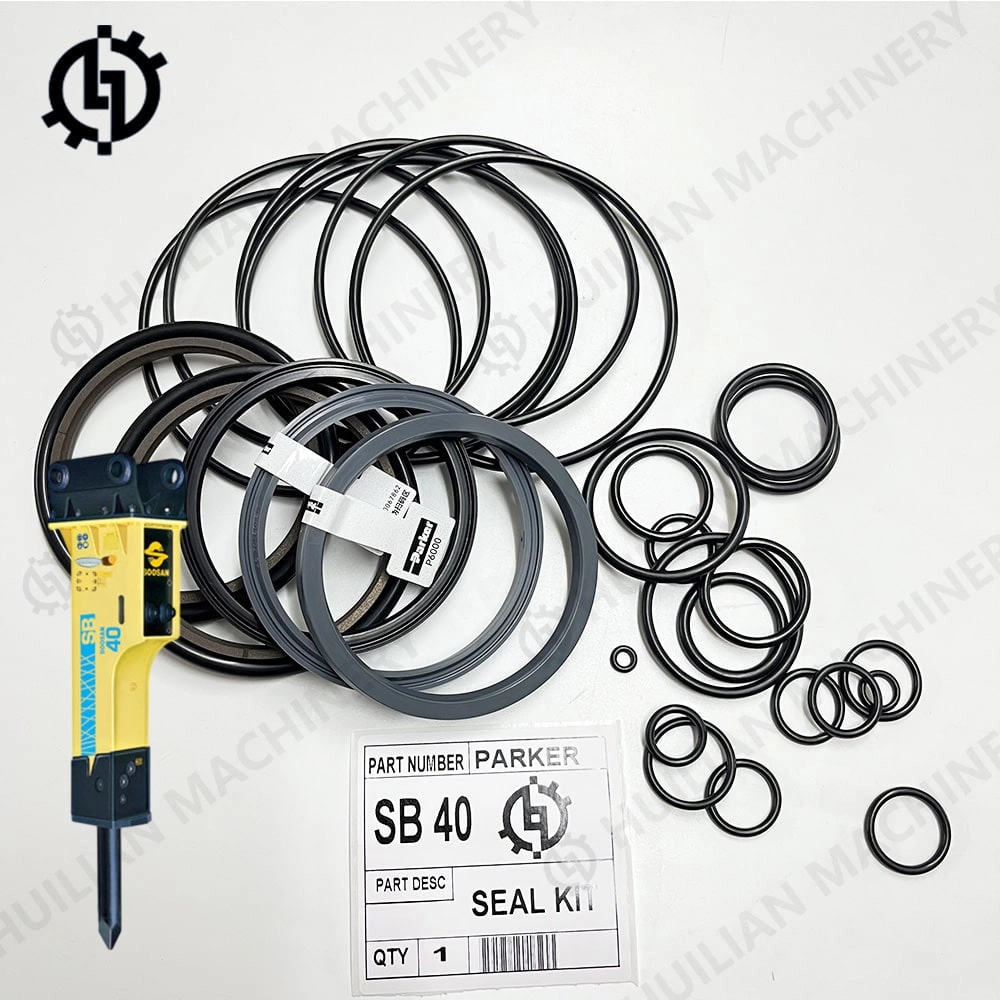
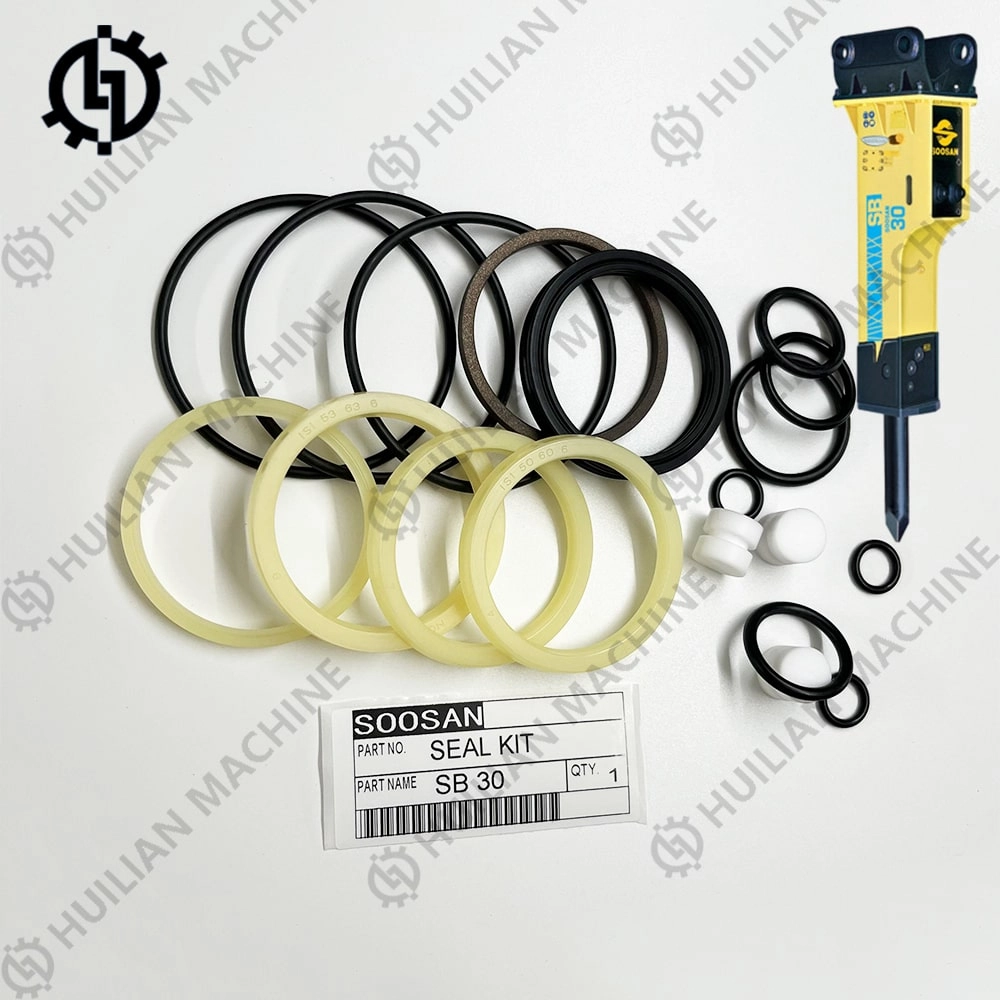
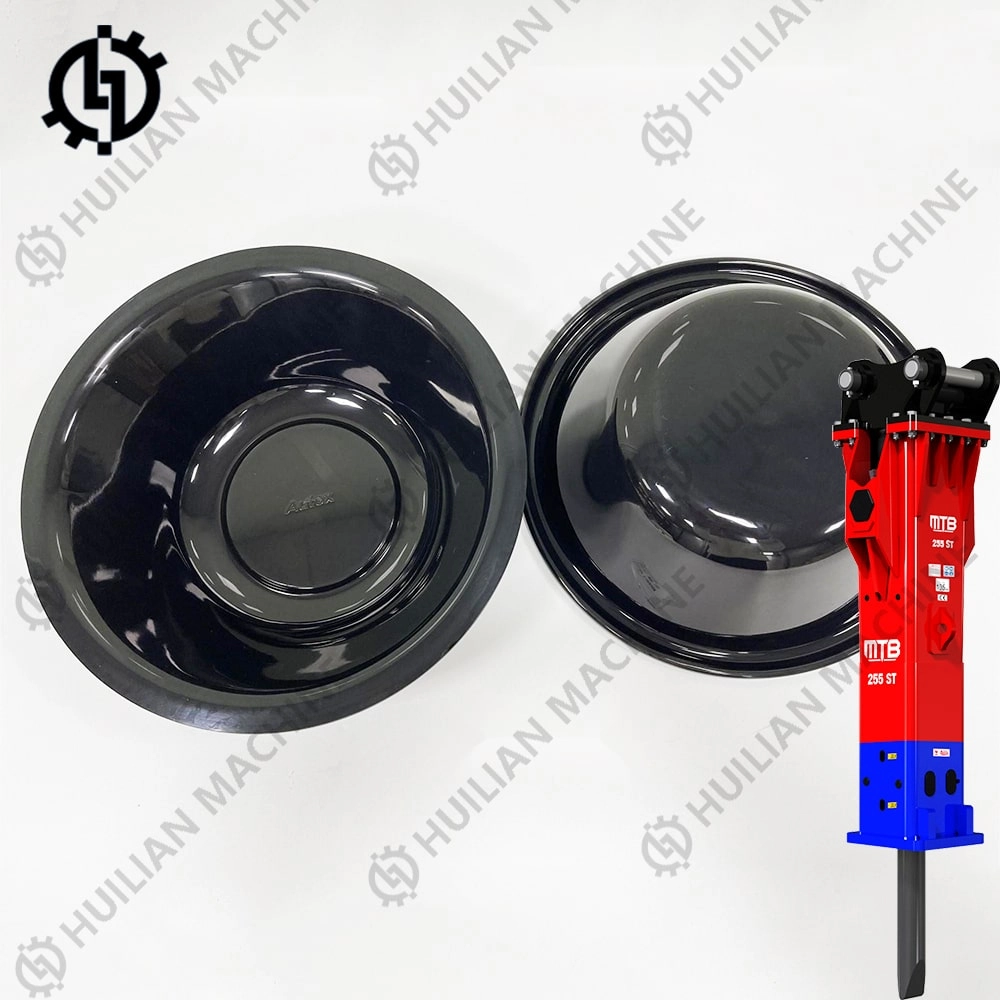
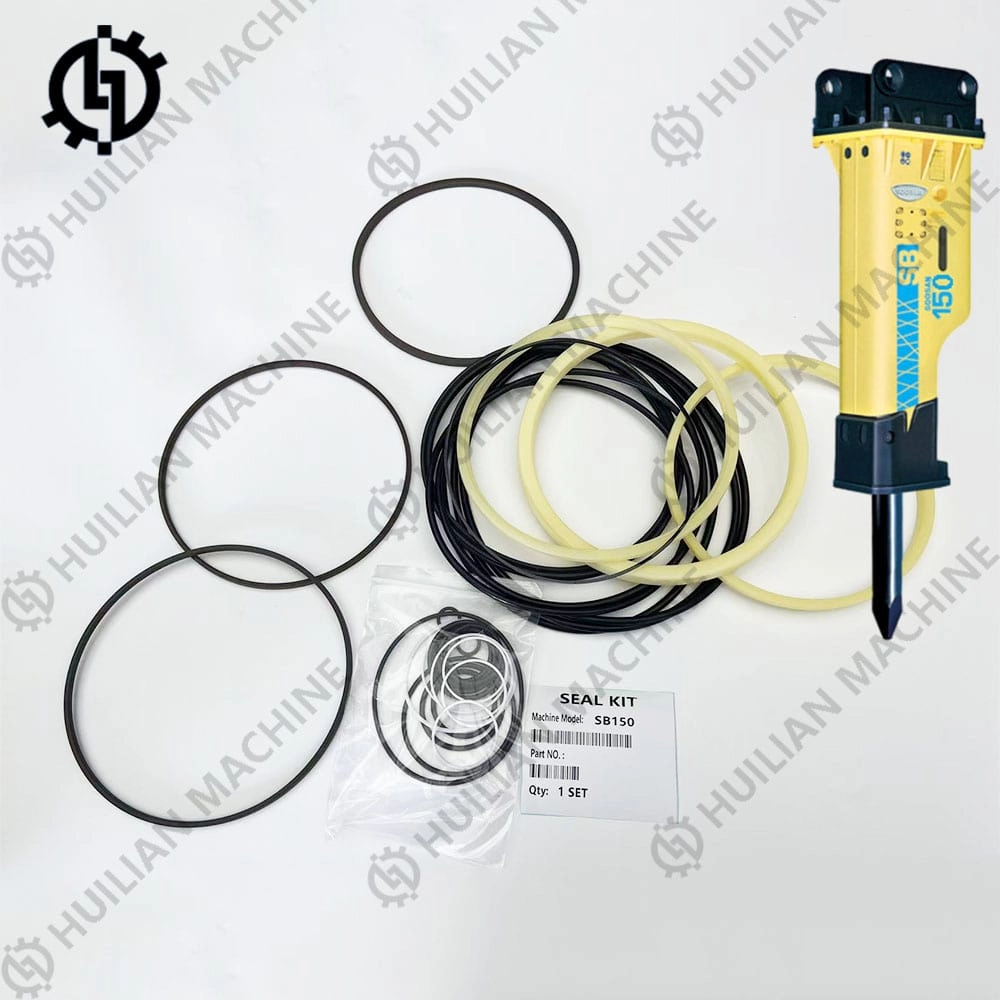
We provide a wide range of high-quality excavator parts, including hydraulic breakers, chisels, seal kits, diaphragms, pistons, wear bushes, retainer bars, through bolts, side bolts, valves, and liners.
How can I ensure I’m selecting the right part for my equipment?
Our expert team can assist you in finding the right part based on your machine model, specifications, and requirements. Contact us for personalized support.
What is your shipping and delivery time?
We offer fast and reliable global shipping. Delivery times vary depending on location and order size, but we strive to process and ship orders as quickly as possible.
Do you offer OEM and aftermarket parts?
Yes, we manufacture high-quality OEM parts and supply aftermarket parts from top brands such as NOK, Parker, SKF, and Hallite to ensure optimal performance.
Are your parts compatible with all excavator brands?
Yes, our parts are designed to be compatible with major brands like Komatsu, Caterpillar, Hitachi, Hyundai, Doosan, JCB, Kobelco, Sany, and many more.




Getting started is easy 
Contact with our experts to find the best excavator parts solutions for your needs. Discover how Huilian can enhance your equipment's performance and efficiency.


Get in touch
 About us
© 2025 HUILIAN MACHINE. All rights reserved