



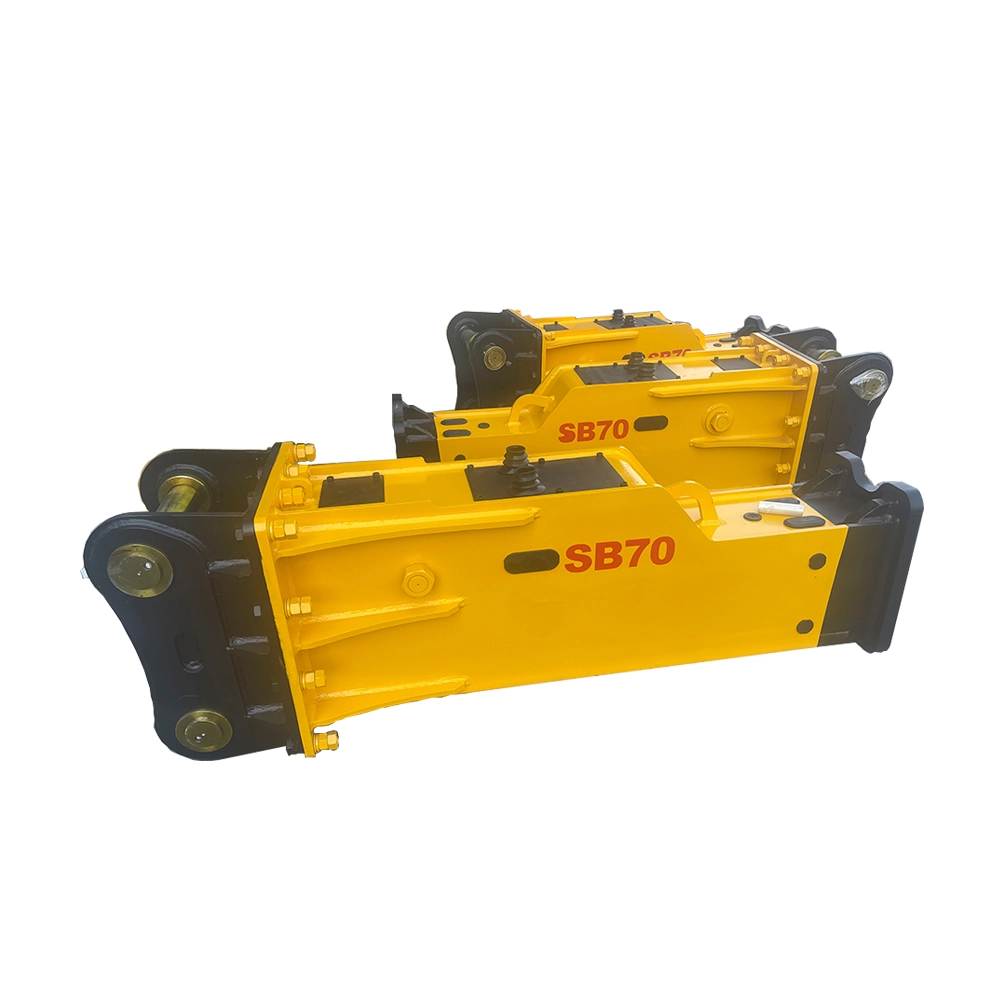
Which hydraulic breaker box type is best for construction excavators?
- 1. What are the key advantages of using a box-type hydraulic breaker on a construction excavator?
- 2. How do box-type hydraulic breakers compare to open-type breakers in terms of performance and maintenance?
- 3. What factors should be considered when selecting a box-type hydraulic breaker for a specific construction project?
- 4. Are there specific maintenance practices to prolong the lifespan of a box-type hydraulic breaker?
- 5. How does the choice of chisel type affect the efficiency of a box-type hydraulic breaker?
- 6. What are the environmental benefits of using a box-type hydraulic breaker in construction projects?
1. What are the key advantages of using a box-type hydraulic breaker on a construction excavator?
Box-type hydraulic breakers, also known as silenced breakers, offer several significant benefits for construction excavators:
- Noise Reduction: The fully enclosed housing design significantly reduces operational noise, making them ideal for urban construction sites and areas with strict noise regulations. This feature ensures compliance with environmental standards and minimizes disturbances to surrounding communities.
- Enhanced Durability: The robust construction of box-type breakers provides superior protection for the main body, shielding it from direct impacts and extending the equipment's service life. This durability is crucial for maintaining consistent performance in demanding construction environments.
- Reduced Vibration: The design minimizes vibration transfer to the excavator, protecting the machine's hydraulics and improving operator comfort. This reduction in vibration also decreases wear and tear on the equipment, leading to lower maintenance costs.
- Environmental Compliance: The noise-dampening features of box-type breakers make them suitable for projects in noise-sensitive areas, ensuring adherence to environmental regulations and promoting sustainable construction practices.
2. How do box-type hydraulic breakers compare to open-type breakers in terms of performance and maintenance?
When choosing between box-type and open-type hydraulic breakers, consider the following aspects:
- Performance: Box-type breakers are designed for noise-sensitive environments, offering controlled impact energy suitable for tasks like demolition and trenching in urban areas. Open-type breakers, on the other hand, provide maximum impact energy and are ideal for heavy-duty applications where noise is less of a concern.
- Maintenance: Open-type breakers feature an open-frame design that allows for quick access to components, facilitating easier inspection and maintenance. Box-type breakers, while offering reduced noise and vibration, may require more time for maintenance due to their enclosed design.
3. What factors should be considered when selecting a box-type hydraulic breaker for a specific construction project?
Selecting the appropriate box-type hydraulic breaker involves evaluating several key factors:
- Excavator Compatibility: Ensure the breaker is compatible with your excavator's weight and hydraulic specifications. For instance, the HAWK HBH850B Box Hydraulic Breaker is suitable for excavators weighing between 7 to 14 tons.
- Impact Energy Requirements: Assess the required impact energy based on the materials to be broken. Breakers like the CTHB Box Hydraulic Breaker are designed for heavy-duty tasks, providing high impact force suitable for breaking rocks and concrete.
- Noise Regulations: Consider the noise levels permitted in your project area. Box-type breakers are ideal for urban and residential zones due to their noise-reducing features.
- Maintenance Needs: Evaluate the ease of maintenance. Open-type breakers offer easier access for maintenance, while box-type breakers may require more time due to their enclosed design.
4. Are there specific maintenance practices to prolong the lifespan of a box-type hydraulic breaker?
To ensure the longevity and optimal performance of a box-type hydraulic breaker, consider the following maintenance practices:
- Regular Inspection: Periodically check for signs of wear, damage, or loose components. Early detection of issues can prevent costly repairs and downtime.
- Lubrication: Ensure all moving parts are properly lubricated to reduce friction and wear. Follow the manufacturer's guidelines for lubrication intervals and types of lubricants.
- Hydraulic System Maintenance: Regularly inspect and maintain the excavator's hydraulic system, as the breaker relies on this system for operation. Check for leaks, ensure proper fluid levels, and replace filters as needed.
- Component Replacement: Replace worn or damaged parts promptly to maintain performance and prevent further damage. Keep a record of all maintenance activities for future reference.
5. How does the choice of chisel type affect the efficiency of a box-type hydraulic breaker?
The chisel type plays a crucial role in the efficiency of a box-type hydraulic breaker:
- Moil Point Chisel: Ideal for breaking hard materials like rock and concrete, providing a concentrated impact force for efficient penetration.
- Blunt Tool Chisel: Suitable for general-purpose breaking tasks, offering a wider impact area for faster material removal.
- Flat Chisel: Effective for scaling and surface preparation, allowing for even material removal.
- Conical Point Chisel: Designed for precise breaking and trenching, providing control over the breaking process.
Choosing the appropriate chisel type based on the specific application can enhance the breaker's performance and efficiency.
6. What are the environmental benefits of using a box-type hydraulic breaker in construction projects?
Utilizing a box-type hydraulic breaker offers several environmental advantages:
- Noise Pollution Reduction: The noise-dampening design minimizes noise pollution, making it suitable for projects in noise-sensitive areas and ensuring compliance with environmental regulations.
- Energy Efficiency: The efficient design of box-type breakers reduces energy consumption, contributing to more sustainable construction practices.
- Reduced Vibration: Lower vibration levels decrease the impact on surrounding structures and the environment, promoting a safer and more sustainable worksite.
In conclusion, box-type hydraulic breakers offer a range of benefits, including noise reduction, enhanced durability, and environmental compliance, making them a valuable addition to construction projects, especially in urban and noise-sensitive areas. For more information or to request a quote, please contact us at service@huilianmachine.com or visit our website at www.huilianmachine.com.


About
What is your shipping and delivery time?
We offer fast and reliable global shipping. Delivery times vary depending on location and order size, but we strive to process and ship orders as quickly as possible.
How can I ensure I’m selecting the right part for my equipment?
Our expert team can assist you in finding the right part based on your machine model, specifications, and requirements. Contact us for personalized support.
What types of excavator parts do you offer?
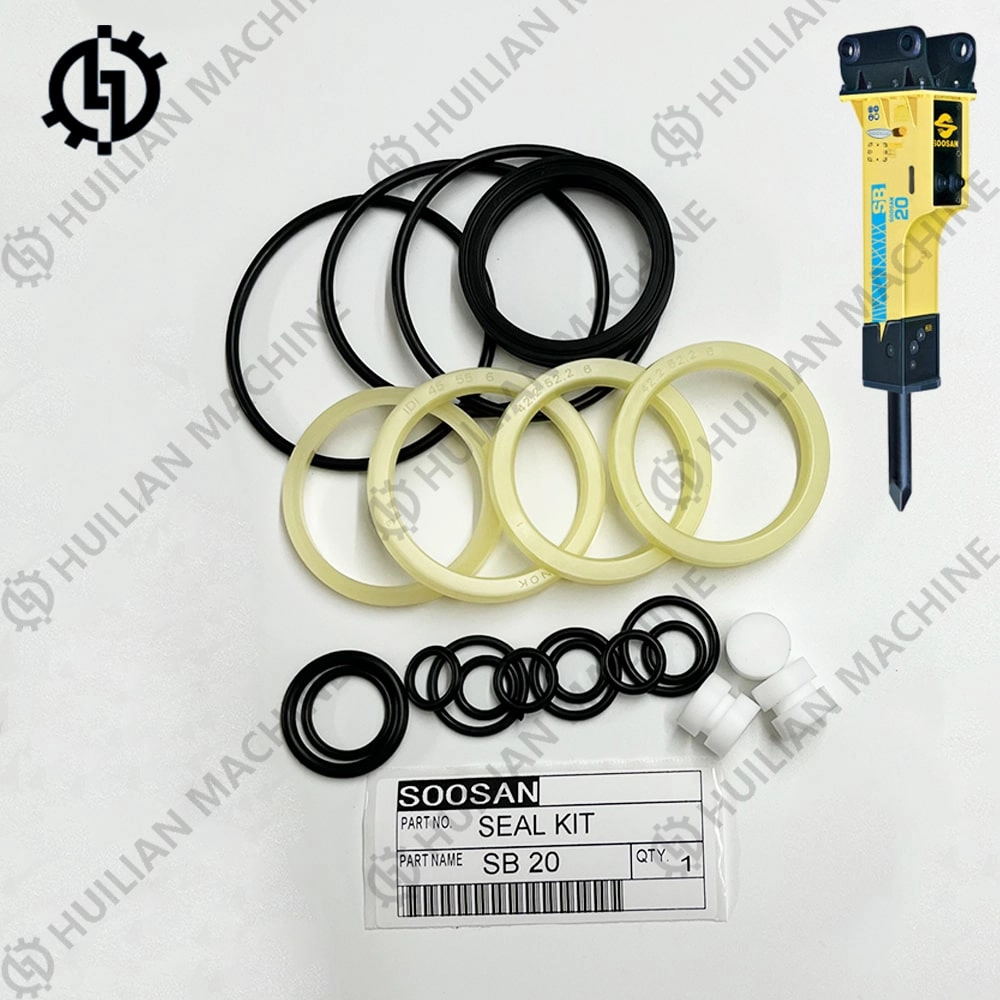
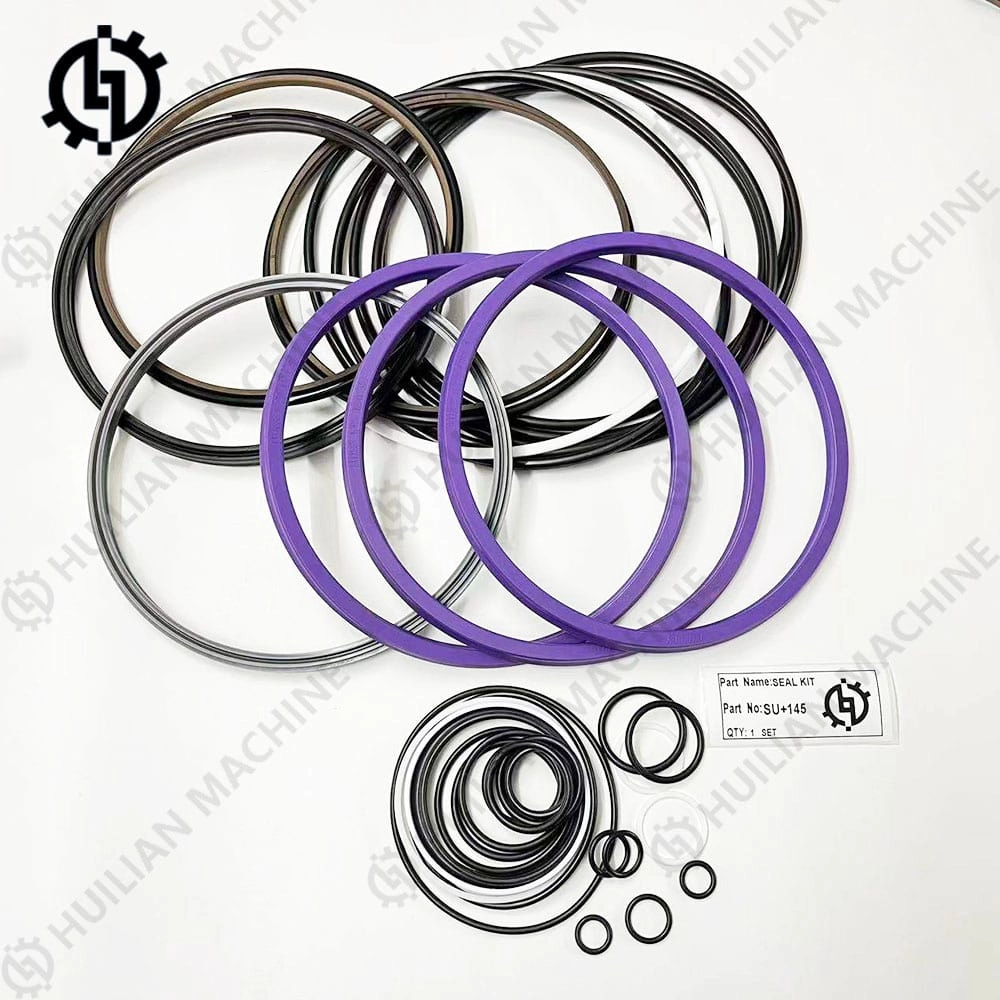
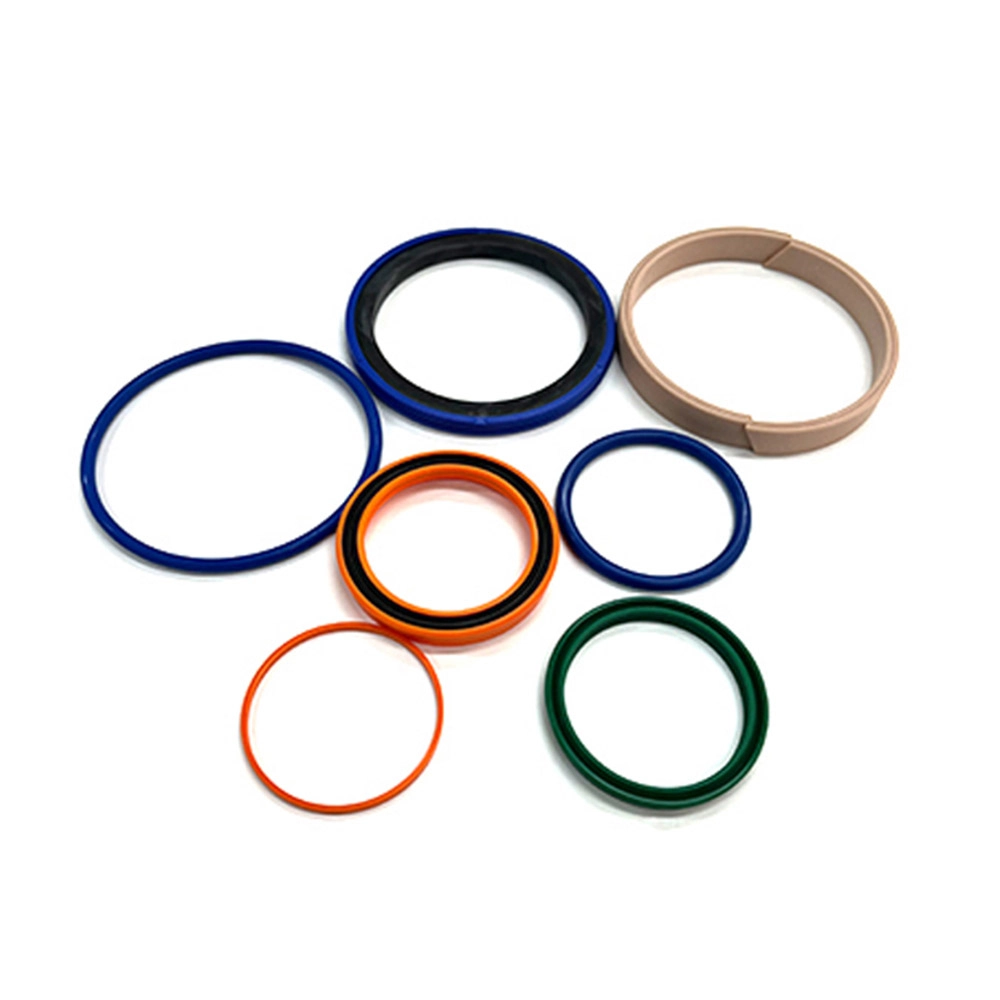
We provide a wide range of high-quality excavator parts, including hydraulic breakers, chisels, seal kits, diaphragms, pistons, wear bushes, retainer bars, through bolts, side bolts, valves, and liners.
Do you offer OEM and aftermarket parts?
Yes, we manufacture high-quality OEM parts and supply aftermarket parts from top brands such as NOK, Parker, SKF, and Hallite to ensure optimal performance.
Are your parts compatible with all excavator brands?
Yes, our parts are designed to be compatible with major brands like Komatsu, Caterpillar, Hitachi, Hyundai, Doosan, JCB, Kobelco, Sany, and many more.


Getting started is easy 
Contact with our experts to find the best excavator parts solutions for your needs. Discover how Huilian can enhance your equipment's performance and efficiency.


Get in touch
 About us
© 2025 HUILIAN MACHINE. All rights reserved