



Hydraulic Breaker for Excavator: The Ultimate Guide to How They Work and Choosing the Right Size
- Introduction
- What is a hydraulic breaker for an excavator?
- How does a hydraulic breaker work on an excavator?
- What size hydraulic breaker do I need for my excavator?
- How much does an excavator hydraulic breaker cost?
- What is the difference between a hydraulic breaker and a hydraulic hammer?
- How do you properly maintain a hydraulic excavator breaker?
- What are the common applications for an excavator hydraulic breaker?
- How long does a hydraulic breaker typically last?
- Conclusion
- Call to Action
Introduction
Breaking through solid rock or reinforced concrete requires more than just brute force; it requires the precision and power of the right equipment. When standard digging buckets fail to penetrate tough surfaces, contractors turn to specialized attachments to get the job done efficiently. Enter the hydraulic breaker for an excavator, a tool that completely transforms your standard earthmoving machinery into an unstoppable demolition powerhouse.
Whether you are preparing a site for new construction, digging trenches through bedrock, or tearing down old infrastructure, understanding how these attachments function is crucial. This ultimate guide covers everything you need to know about excavator breakers, from their fundamental mechanics to selecting the optimal size for your machine.
What is a hydraulic breaker for an excavator?
A hydraulic breaker for an excavator is a powerful percussion hammer attachment designed specifically to demolish hard structures such as rock, concrete, and asphalt. Instead of using traditional explosives or manual labor, this attachment allows operators to break down unyielding materials with precision directly from the safety of the machine's cab. It essentially serves as a massive, mechanized jackhammer that mounts directly to the end of the excavator's boom or stick.
Historically, heavy equipment demolition relied on cumbersome drop weights or specialized machinery that lacked versatility. The introduction of the first true hydraulic breaker in 1967 revolutionized the industry, as noted by Wikipedia. By utilizing the existing hydraulic power of the carrier machine, it eliminated the need for separate air compressors or localized power units, drastically improving job site efficiency.
Today, this rock breaker attachment is considered standard equipment in the construction, mining, and quarrying industries. They come in a vast array of designs, ranging from small units for compact diggers to massive, ton-heavy breakers for large-scale mining excavators. Regardless of their scale, their primary purpose remains exactly the same: reducing large, hard materials into manageable pieces.
How does a hydraulic breaker work on an excavator?
The operation of a hydraulic breaker is an impressive display of fluid dynamics and mechanical engineering. It relies entirely on the carrier machine's auxiliary hydraulic system. The excavator pumps pressurized hydraulic fluid down through high-pressure hoses directly into the breaker's internal cylinder. This immense hydraulic fluid pressure is the lifeblood of the attachment, providing the necessary force to drive the internal mechanisms.
Once the pressurized fluid enters the breaker, it acts upon a large internal piston. The fluid pushes the piston upward against a chamber filled with highly compressed nitrogen gas. When the hydraulic pressure reaches a specific threshold, a valve shifts, releasing the fluid pressure and allowing the compressed nitrogen gas to violently force the piston downward. This downward stroke causes the piston to strike the top of the working tool (the chisel or moil point) at high velocity.
The kinetic energy from this high-speed impact is immediately transferred through the chisel and into the rock or concrete, fracturing it. According to Wikipedia, modern excavators rely exclusively on hydraulic fluid, cylinders, and motors for these attachments, a massive technological leap from older cable-operated steam shovels. This cycle of lifting and dropping the piston happens hundreds of times per minute, delivering a rapid succession of devastating blows.
What size hydraulic breaker do I need for my excavator?
Choosing the correct size for your hydraulic breaker is arguably the most critical decision you will make when outfitting your excavator. The breaker must be perfectly matched to the carrier machine's operating weight and hydraulic capabilities. If you install a breaker that is too large, the excessive weight can destabilize the excavator, creating a tipping hazard and causing severe structural stress on the boom and stick.
Conversely, fitting an undersized breaker on a large excavator is equally problematic. The excavator's hydraulic pump may deliver too much flow and pressure, overpowering the breaker's internal seals and causing catastrophic failure. Furthermore, the operator might inadvertently apply too much downward force on a small breaker, easily snapping the chisel or destroying the internal components.
To find the right match, you must evaluate three primary specifications: the excavator's lifting capacity, hydraulic flow rate (measured in gallons per minute or GPM), and operating pressure. Equipment manufacturers provide compatibility charts that align specific breaker models with designated excavator weight classes. For instance, a 5-ton mini excavator requires a vastly different breaker than a 30-ton crawler excavator.
Additionally, pay close attention to the impact energy class of the breaker, typically measured in foot-pounds (ft-lbs) or Joules. This metric dictates the actual breaking force of each blow. Ensuring that the impact energy class aligns with the hardness of the material you intend to break—while remaining within the safe operating parameters of your excavator—guarantees maximum productivity and equipment longevity.
How much does an excavator hydraulic breaker cost?
The cost of an excavator hydraulic breaker varies wildly depending on its size, brand, and included features. For compact and mini excavators, you can expect to spend anywhere between $3,000 and $8,000 for a new hydraulic breaker. These smaller units are typically used for residential demolition, driveway removal, or light trenching operations.
When scaling up to medium and large excavators, the price increases significantly. Breakers designed for 15-ton to 30-ton excavators generally range from $15,000 to over $40,000. For massive mining excavators that require top-tier impact energy class ratings, specialized heavy-duty breakers can easily exceed $100,000. Premium brands command higher prices but often offer better warranties, superior build quality, and advanced features like auto-lubrication systems or underwater operation kits.
For contractors who only need a breaker for a short-term project, renting is a highly cost-effective alternative. Rental rates typically run from $150 to $500 per day, depending on the attachment's size and the rental market in your specific area. When purchasing, buying a refurbished or used breaker can also cut initial costs by 30% to 50%, provided the unit has been meticulously maintained and inspected.
What is the difference between a hydraulic breaker and a hydraulic hammer?
In the heavy construction equipment industry, the terms "hydraulic breaker" and "hydraulic hammer" are completely synonymous and used interchangeably. Whether you are speaking to a dealer, a seasoned operator, or a mechanic, both terms refer to the exact same percussion attachment mounted on an excavator or skid steer to demolish hard materials.
The slight distinction primarily comes down to regional vocabulary and manufacturer branding. Some equipment brands prefer to market their products as "hydraulic breakers" because the tool's primary function is breaking rock and concrete. Other manufacturers and operators favor "hydraulic hammer" due to the internal piston's hammering action. Regardless of the terminology used, the engineering, mounting processes, and operational techniques are identical.
It is worth noting that the word "hammer" is sometimes used more broadly across the construction trade to describe other tools. For example, it might refer to a handheld pneumatic jackhammer, a pile-driving hammer, or a smaller skid steer hammer. However, when explicitly discussing attachments for an excavator's boom, you can confidently use either "breaker" or "hammer" without causing any confusion.
How do you properly maintain a hydraulic excavator breaker?
Proper maintenance is the absolute key to keeping your hydraulic excavator breaker running efficiently and preventing costly downtime. The most critical daily maintenance task is lubrication. Because the internal piston and chisel experience extreme metal-on-metal friction, the breaker must be greased regularly with a specialized, high-temperature chisel paste. Operators should apply grease every two hours of operation unless the attachment is equipped with an automatic lubrication system.
Daily visual inspections are also mandatory for safe and effective operation. Before firing up the excavator, operators should check the breaker for any hydraulic fluid leaks around the hoses and fittings. It is essential to inspect the tool retainer pins to ensure they are secure and check the chisel itself for mushrooming, cracking, or excessive wear. Catching minor issues early prevents catastrophic internal damage to the breaker's cylinder.
Monitoring the nitrogen gas charge is another vital maintenance procedure. The nitrogen chamber acts as both a shock absorber and a power booster for the piston stroke. Over time, this gas can slowly leak out, resulting in a noticeable drop in impact power and increased vibration transferring back to the excavator arm. Mechanics should check the nitrogen pressure regularly and recharge it according to the manufacturer's specifications.
Finally, proper operational technique is a form of preventative maintenance. Operators must never use the breaker chisel as a pry bar to move heavy boulders, as this will inevitably bend or snap the tool. Additionally, operators should avoid "blank firing"—which occurs when the breaker is activated but the chisel is not pressed against a solid surface. Blank firing sends the entire force of the blow directly into the breaker's housing, causing severe structural damage.
What are the common applications for an excavator hydraulic breaker?
The versatility of the hydraulic breaker makes it indispensable across a wide variety of industries. The most obvious application is in heavy equipment demolition. When tearing down old buildings, bridges, or concrete foundations, standard excavator buckets simply cannot break through reinforced concrete. The breaker easily fractures these structures, exposing the rebar and allowing shears or pulverizers to finish the job.
In the realm of trenching and utility construction, breakers are crucial for overcoming unexpected geological obstacles. When laying water lines, sewer pipes, or electrical conduits, excavation crews frequently encounter solid bedrock or highly compacted hardpan soils. A hydraulic breaker shatters this rock, clearing the path for the trench without the need for dangerous and heavily regulated explosives.
Quarrying and mining operations also rely heavily on hydraulic breakers for secondary rock reduction. After a primary blast in a quarry, many boulders remain too large to fit into the crushing machines. Excavators equipped with breakers are deployed to methodically fracture these oversized rocks into smaller, manageable dimensions, ensuring a steady and efficient workflow for the material processing plant.
How long does a hydraulic breaker typically last?
The lifespan of a hydraulic breaker is not easily defined by a strict number of years, as it depends entirely on the frequency of use, the hardness of the materials being broken, and the strictness of the maintenance routine. With rigorous maintenance and proper operation, a high-quality hydraulic breaker can last anywhere from 5 to 10 years, often logging thousands of working hours before requiring major overhaul or replacement.
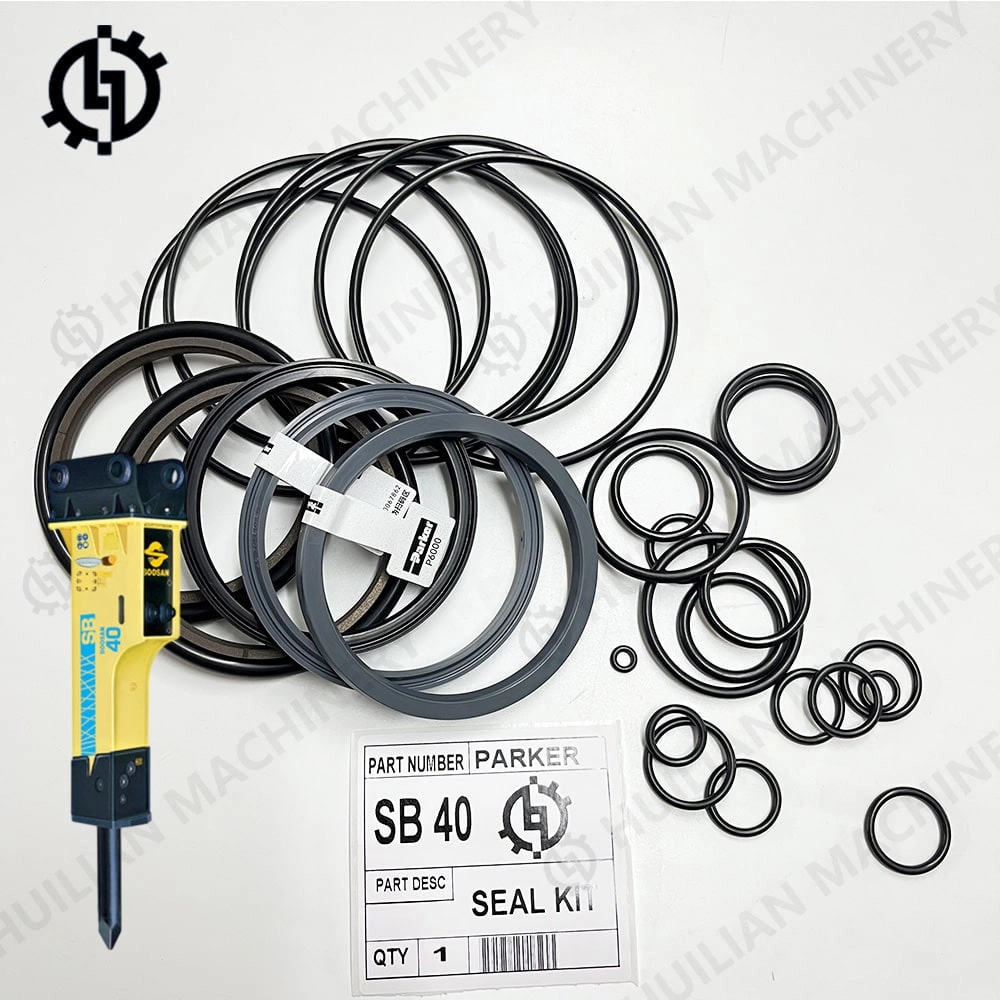
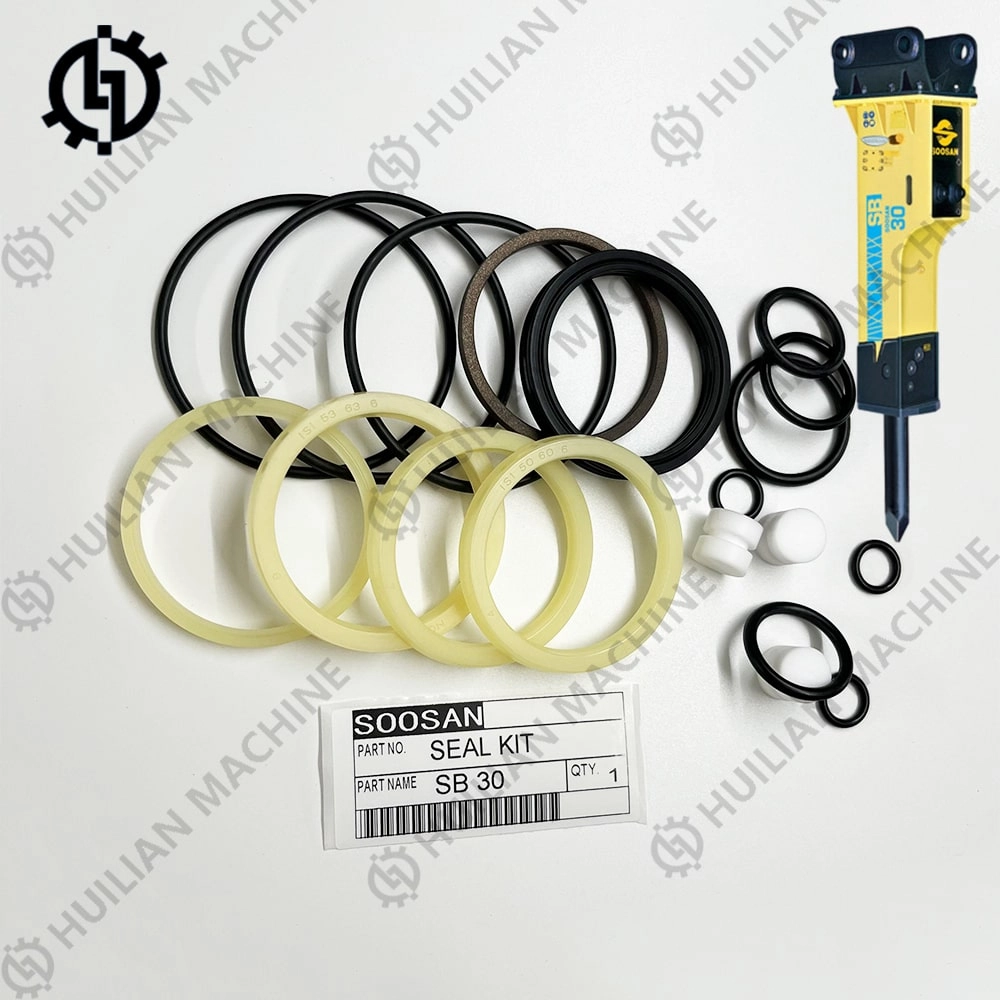
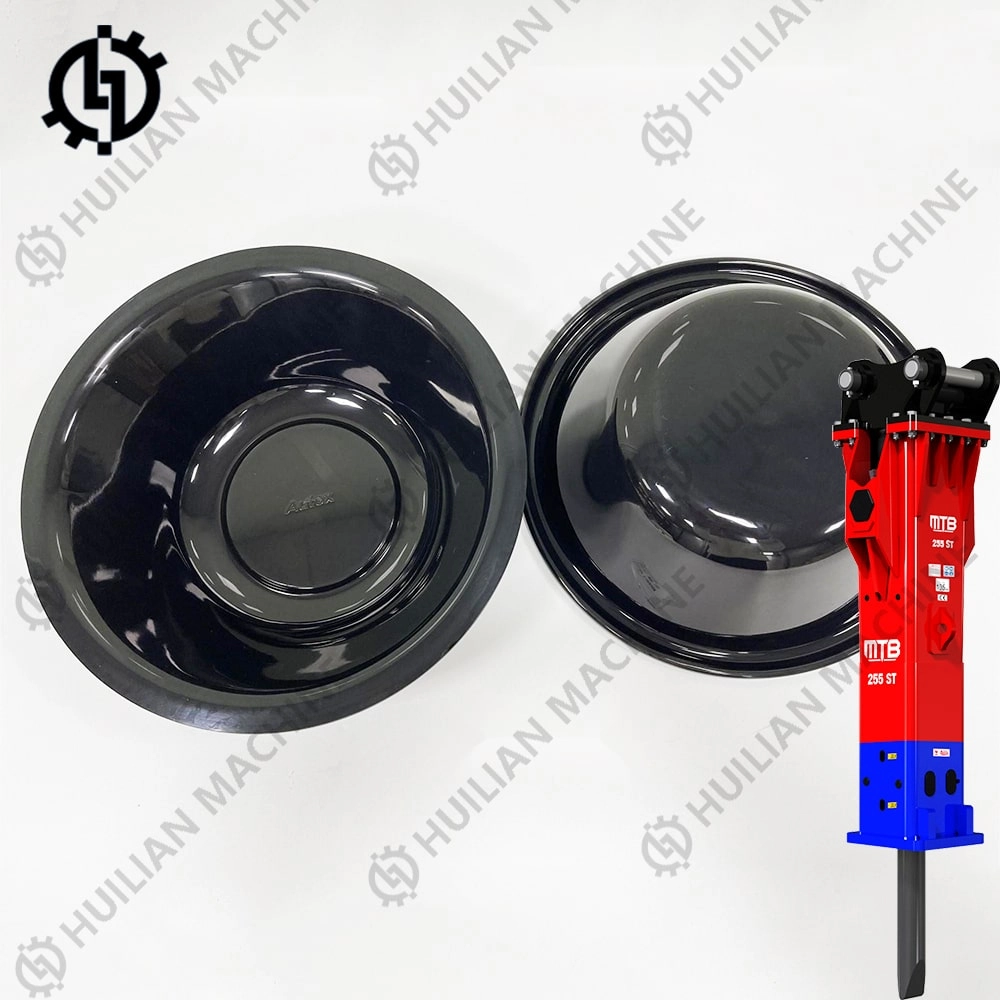
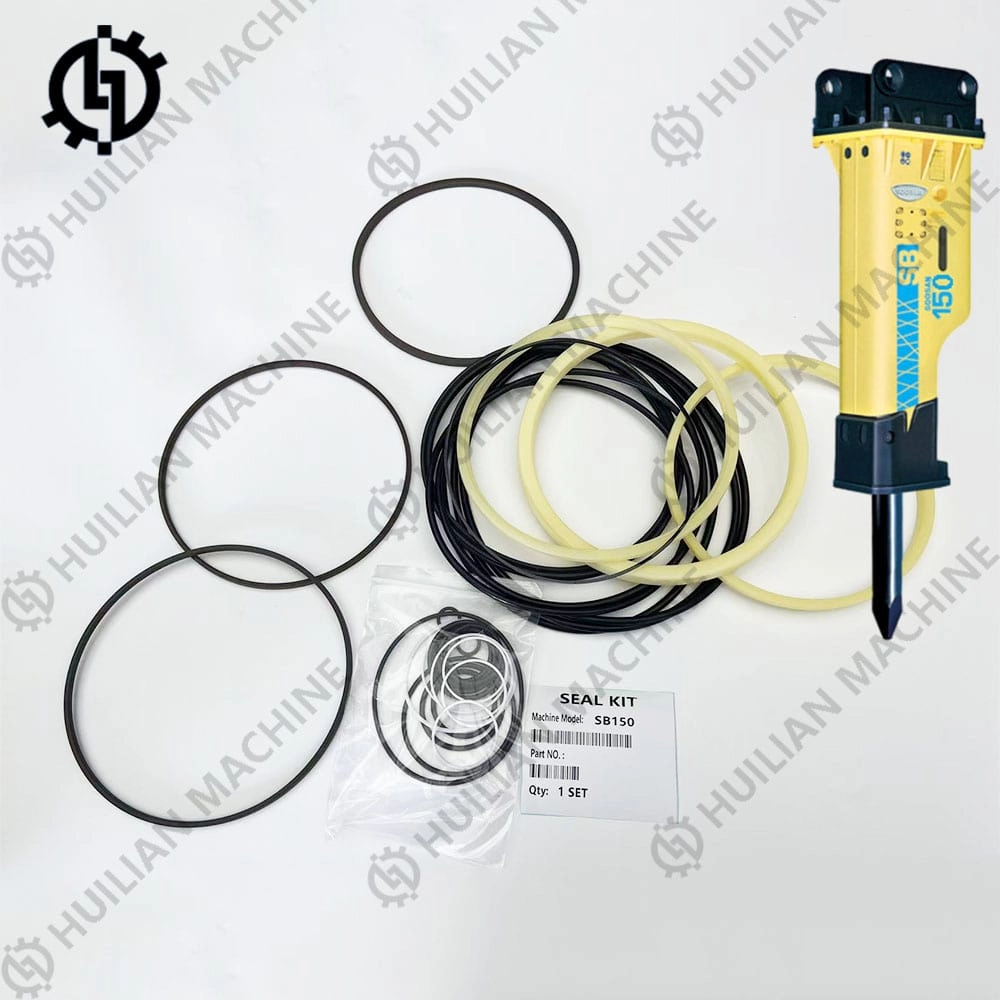
Wear parts on the breaker, however, will need to be replaced much more frequently. The chisel (or tool), lower bushings, and retaining pins absorb the brunt of the physical abuse and are considered consumable items. Depending on the abrasiveness of the rock or concrete, a chisel might need replacing every few months. The internal hydraulic seals and diaphragms also require periodic replacement to prevent leaks and maintain proper hydraulic fluid pressure.
Conversely, operator abuse and neglected maintenance can destroy a brand-new breaker in a matter of months. Operating the breaker without sufficient grease, constantly blank firing, or prying with the tool will quickly cause irreversible damage to the internal piston and main cylinder. Ultimately, the longevity of the attachment is a direct reflection of how well the operator and maintenance crew care for it.
Conclusion
A hydraulic breaker for an excavator is a monumental investment that exponentially increases the versatility and capability of your heavy equipment fleet. By converting the hydraulic power of the carrier machine into rapid, devastating kinetic impacts, these attachments can conquer the toughest rock and reinforced concrete on any job site.
Understanding how these breakers operate, distinguishing between the various sizes and energy classes, and committing to a strict daily maintenance schedule are the keys to maximizing your return on investment. Whether you are expanding your demolition capabilities or tackling difficult excavation projects, choosing the right hydraulic breaker ensures that your team operates safely, efficiently, and profitably for years to come.
Call to Action
If you are ready to upgrade your fleet and need expert assistance in selecting the perfect hydraulic breaker for your excavator, contact our team today for a personalized consultation.


About
How can I ensure I’m selecting the right part for my equipment?
Our expert team can assist you in finding the right part based on your machine model, specifications, and requirements. Contact us for personalized support.
What is your shipping and delivery time?
We offer fast and reliable global shipping. Delivery times vary depending on location and order size, but we strive to process and ship orders as quickly as possible.
Do you offer OEM and aftermarket parts?
Yes, we manufacture high-quality OEM parts and supply aftermarket parts from top brands such as NOK, Parker, SKF, and Hallite to ensure optimal performance.
What types of excavator parts do you offer?
We provide a wide range of high-quality excavator parts, including hydraulic breakers, chisels, seal kits, diaphragms, pistons, wear bushes, retainer bars, through bolts, side bolts, valves, and liners.
Are your parts compatible with all excavator brands?
Yes, our parts are designed to be compatible with major brands like Komatsu, Caterpillar, Hitachi, Hyundai, Doosan, JCB, Kobelco, Sany, and many more.




Getting started is easy 
Contact with our experts to find the best excavator parts solutions for your needs. Discover how Huilian can enhance your equipment's performance and efficiency.


Get in touch
 About us
© 2025 HUILIAN MACHINE. All rights reserved