



What Materials Make the Most Durable Hydraulic Pump Seal Kits?
- 1. What Are the Most Common Causes of Hydraulic Pump Seal Failure in Excavators?
- 2. How Do I Choose the Right Material for Hydraulic Pump Seal Kits to Ensure Durability?
- 3. What Are the Best Practices for Installing Hydraulic Pump Seal Kits to Prevent Early Failures?
- 4. How Can I Maintain Hydraulic Pump Seal Kits to Extend Their Service Life?
- 5. What Are the Signs That Indicate Hydraulic Pump Seal Kits Need Replacement?
- 6. How Do I Select a Reliable Supplier for Hydraulic Pump Seal Kits?
1. What Are the Most Common Causes of Hydraulic Pump Seal Failure in Excavators?
Hydraulic pump seals are vital for maintaining pressure and preventing fluid leaks in excavators. Common causes of seal failure include:
Contamination and Abrasive Wear: Dust, dirt, and metal particles can enter the hydraulic system, acting like sandpaper and grinding down seal surfaces, leading to premature failure.
Improper Installation: Incorrect installation, such as using sharp tools that nick the seal or installing it backward, can compromise its integrity.
Pressure Spikes and Fracturing: Sudden pressure increases can exceed the seal's structural strength, causing fractures or blowouts.
Chemical Incompatibility: Using hydraulic fluids incompatible with the seal material can lead to swelling, shrinking, or dissolution of the seal.
Rod Scoring and Surface Damage: Scratches or dents on the piston rod can damage the seal each time it passes through, creating paths for fluid to escape.
Seal Hardening due to Oxidation: Over time, hydraulic oil can oxidize, forming sludge and varnish that attack the seal material, causing it to become brittle.
Excessive Friction and “Dry Running”: Insufficient lubrication can cause intense localized heat, melting the seal lip.
Compression Set: Continuous pressure can cause the seal to lose its ability to return to its original shape, resulting in a loss of the interference fit required for a tight seal.
Natural Aging and Wear: All seals have a finite lifespan and will eventually degrade due to constant cycling and environmental exposure.
2. How Do I Choose the Right Material for Hydraulic Pump Seal Kits to Ensure Durability?
Selecting the appropriate material for hydraulic pump seal kits is crucial for durability and performance. Consider the following materials:
Nitrile Butadiene Rubber (NBR): Offers good oil resistance and is economical, suitable for general-purpose applications.
Polyurethane (PU): Provides excellent wear resistance and is cost-effective, ideal for standard hydraulic systems.
Polytetrafluoroethylene (PTFE): Known for its low friction and chemical resistance, making it suitable for high-speed and high-temperature applications.
Fluorocarbon (FKM/Viton®): Offers superior chemical resistance and can withstand higher temperatures, suitable for harsh chemical environments.
Hydrogenated Nitrile Butadiene Rubber (HNBR): Enhanced durability and longer life, suitable for heavy-duty applications.
When selecting a material, consider factors such as operating temperature, pressure, chemical exposure, and compatibility with the hydraulic fluid used in your excavator.
3. What Are the Best Practices for Installing Hydraulic Pump Seal Kits to Prevent Early Failures?
Proper installation is essential to prevent early seal failures. Follow these best practices:
Use Specialized Installation Tools: Employ tools designed for seal installation to avoid damaging the seal during assembly.
Lubricate Seals Before Installation: Apply clean hydraulic oil to seals to reduce friction and prevent damage during installation.
Inspect Components Thoroughly: Ensure all parts, including rods and cylinders, are free from sharp edges or debris that could damage the seal.
Follow Manufacturer’s Specifications: Adhere to the manufacturer's torque specifications and installation guidelines to ensure proper seal compression and function.
Avoid Over-Stretching Seals: Do not stretch seals beyond their designed limits during installation, as this can lead to premature failure.
4. How Can I Maintain Hydraulic Pump Seal Kits to Extend Their Service Life?
Regular maintenance is key to extending the service life of hydraulic pump seal kits:
Regularly Replace Hydraulic Filters: This helps prevent contaminants from entering the hydraulic system, reducing abrasive wear on seals.
Monitor and Control Operating Temperatures: Ensure the hydraulic system operates within recommended temperature ranges to prevent seal degradation.
Use Compatible Hydraulic Fluids: Verify that the hydraulic fluid is compatible with the seal material to prevent chemical attacks.
Inspect and Maintain Rod Surfaces: Regularly check piston rods for scoring or damage and repair or replace as necessary to prevent seal damage.
Implement a Preventative Maintenance Program: Schedule regular inspections and replacements of seal kits to avoid unexpected failures.
5. What Are the Signs That Indicate Hydraulic Pump Seal Kits Need Replacement?
Be alert to the following signs that may indicate the need for seal kit replacement:
Fluid Leaks: Visible leaks around the seal area suggest that the seal is compromised.
Reduced Performance: Slower or uneven movement of the excavator's hydraulic components can indicate seal degradation.
Unusual Noises: Grinding or squealing noises may indicate that the seal is worn or damaged.
Increased Operating Temperatures: Elevated temperatures in the hydraulic system can be a sign of seal failure.
Cylinder Drift: If the excavator's boom or bucket slowly lowers under its own weight, it may indicate seal failure.
6. How Do I Select a Reliable Supplier for Hydraulic Pump Seal Kits?
Choosing a reputable supplier is crucial for obtaining high-quality seal kits:
Verify Material Quality: Ensure the supplier uses premium materials that meet industry standards for durability and performance.
Check Compatibility: Confirm that the seal kits are compatible with your excavator's specifications and operating conditions.
Assess Supplier Reputation: Look for suppliers with positive customer reviews and a proven track record in the industry.
Evaluate Customer Support: Choose a supplier that offers comprehensive customer support, including technical assistance and after-sales service.
Consider Warranty and Return Policies: Review the supplier's warranty and return policies to ensure they stand behind their products.
By addressing these questions and implementing the recommended practices, you can enhance the reliability and longevity of your excavator's hydraulic system, ensuring optimal performance and reduced downtime.
For a personalized quote or further assistance, please contact us at service@huilianmachine.com or visit our website at www.huilianmachine.com.


About
Do you offer OEM and aftermarket parts?
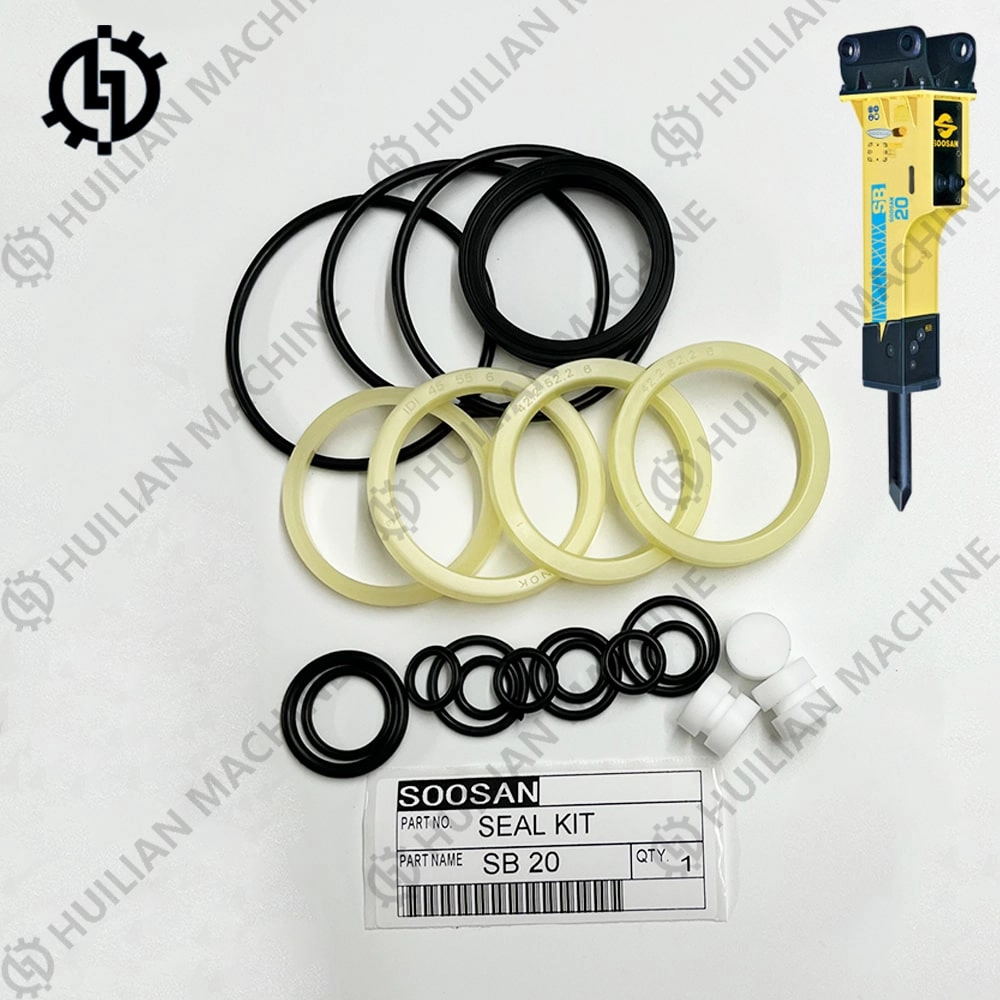
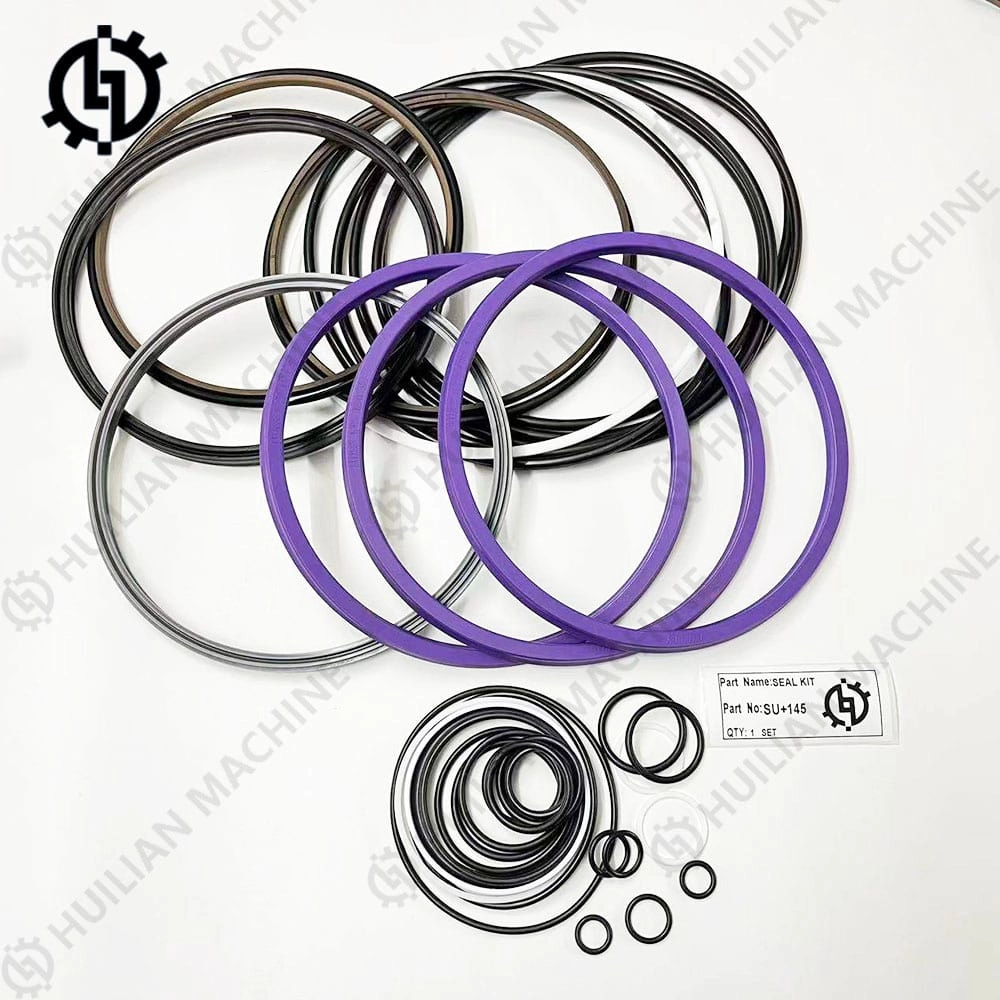
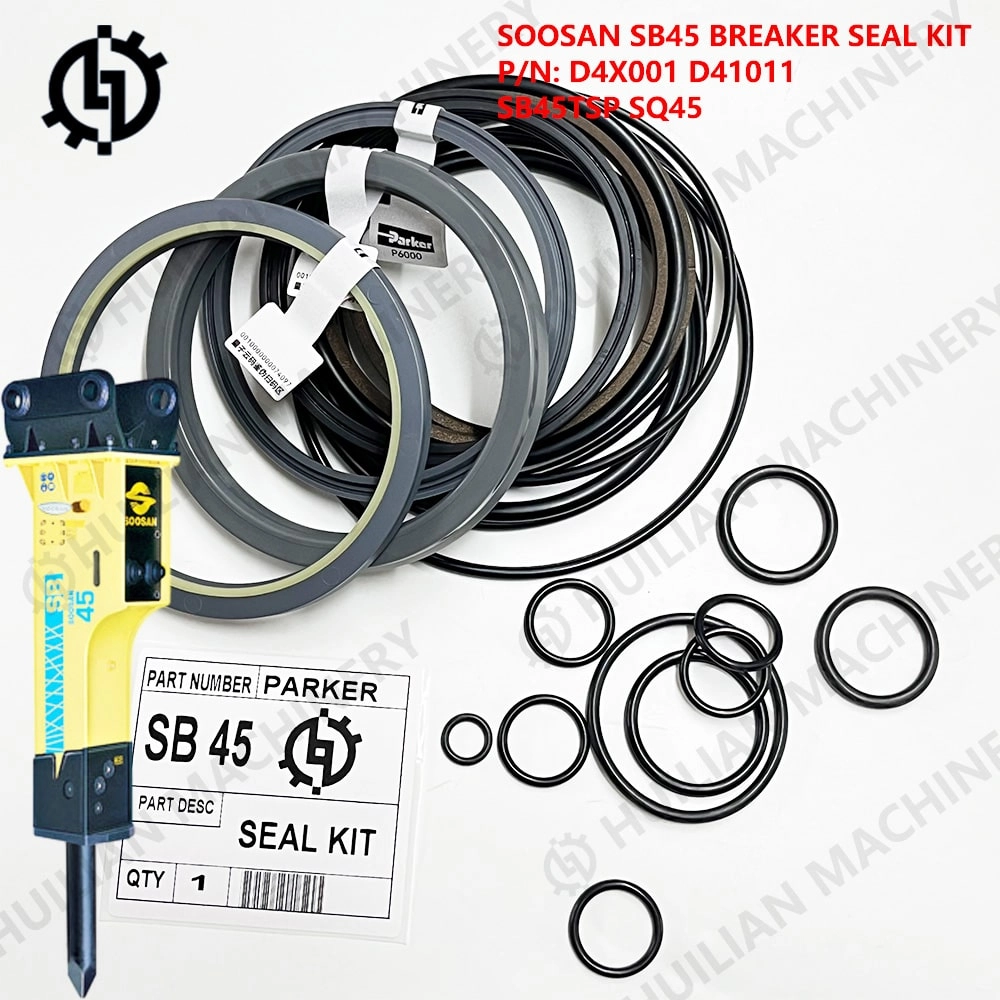
Yes, we manufacture high-quality OEM parts and supply aftermarket parts from top brands such as NOK, Parker, SKF, and Hallite to ensure optimal performance.
How can I ensure I’m selecting the right part for my equipment?
Our expert team can assist you in finding the right part based on your machine model, specifications, and requirements. Contact us for personalized support.
What is your shipping and delivery time?
We offer fast and reliable global shipping. Delivery times vary depending on location and order size, but we strive to process and ship orders as quickly as possible.
What types of excavator parts do you offer?
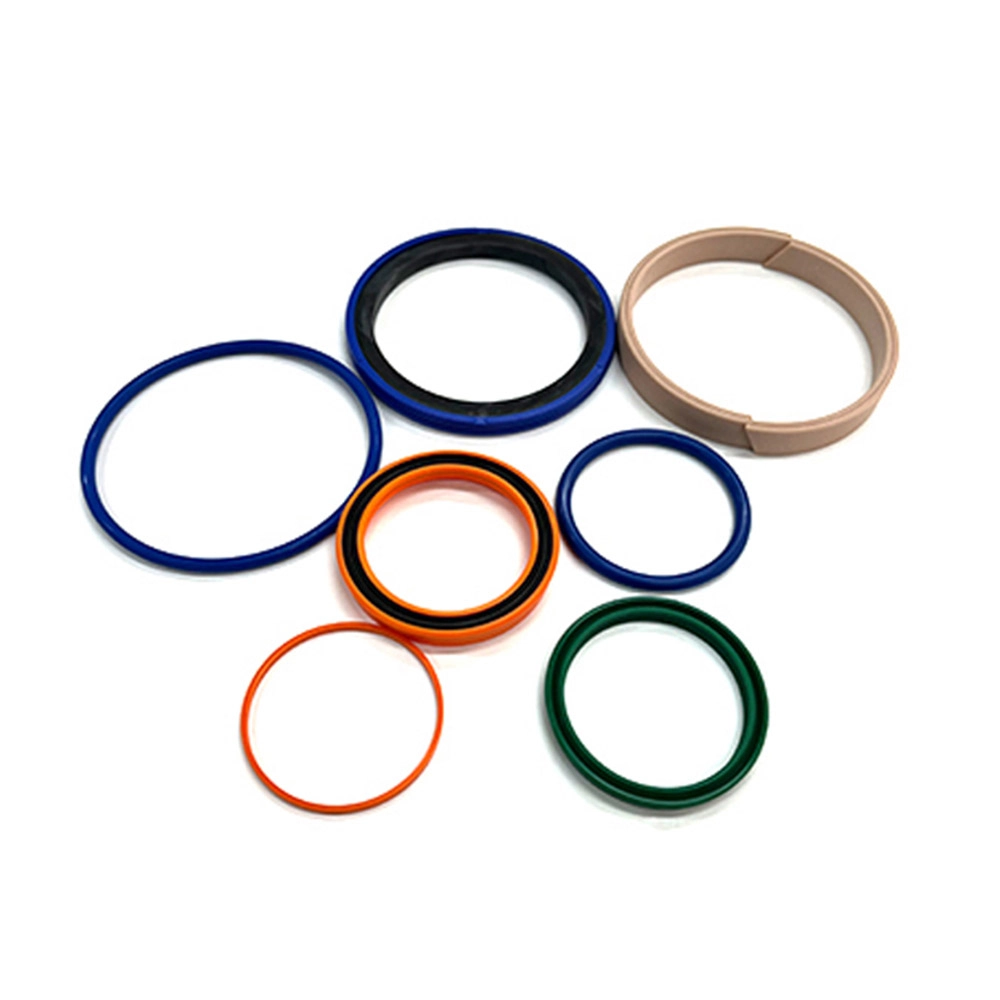
We provide a wide range of high-quality excavator parts, including hydraulic breakers, chisels, seal kits, diaphragms, pistons, wear bushes, retainer bars, through bolts, side bolts, valves, and liners.
Are your parts compatible with all excavator brands?
Yes, our parts are designed to be compatible with major brands like Komatsu, Caterpillar, Hitachi, Hyundai, Doosan, JCB, Kobelco, Sany, and many more.


Getting started is easy 
Contact with our experts to find the best excavator parts solutions for your needs. Discover how Huilian can enhance your equipment's performance and efficiency.


Get in touch
 About us
© 2025 HUILIAN MACHINE. All rights reserved