



Complete Guide to silenced box type breaker
This comprehensive guide explores the functionality, benefits, and applications of silenced box-type breakers in modern construction. It covers essential sizing criteria, maintenance best practices, and the critical role these sound-dampened attachments play in meeting strict urban noise regulations. Learn how to optimize your excavator's demolition capabilities while prioritizing safety and compliance.
- Introduction
- What is a silenced box type breaker?
- How does a silenced box type hydraulic breaker work?
- What is the difference between side, top, and box type breakers?
- Where are silenced box type breakers commonly used?
- What are the advantages of using a silenced box type breaker?
- How do I choose the right size box type breaker for an excavator?
- Why are silenced breakers required for urban demolition and construction?
- What maintenance is required for a silenced box type hydraulic breaker?
- Conclusion
- Call to Action
Introduction
Urban demolition presents a unique set of challenges, requiring massive power without the deafening noise that traditionally accompanies heavy machinery. As cities become more densely populated and noise ordinances grow stricter, contractors must adapt their equipment to remain compliant and productive. This is where the silenced box type breaker becomes an invaluable asset on the job site. In this comprehensive guide, we will explore the fundamental mechanics, distinct advantages, and real-world applications of these specialized hydraulic attachments. Whether you are looking to understand the differences between various breaker designs, learn how to perfectly size a unit for your excavator, or master daily maintenance routines, this article provides the expert insights you need to optimize your demolition operations.
What is a silenced box type breaker?
A silenced box type breaker is a heavy-duty hydraulic excavator attachment featuring a fully enclosed steel housing that encases the hammer mechanism to dampen noise and reduce vibration.
Unlike traditional open-style breakers, the silenced (or box) type integrates sound-absorbing materials and polyurethane buffers between the cylinder and the outer shell. This specialized design isolates the percussive impact noise, making these hydraulic breaker attachments essential for modern job sites located in noise-sensitive areas.
These breakers are engineered specifically for environments where noise pollution is a significant concern. By containing the internal components, the box bracket also protects the main body from dust, debris, and accidental damage during operation, ensuring long-term reliability and reducing the risk of unexpected breakdowns.
Beyond just noise control, the enclosed structure helps to manage the extreme kinetic energy generated during demolition. The internal dampening system absorbs much of the recoil, preventing excessive stress from transferring back into the excavator's boom and hydraulic system, which ultimately protects the carrier machine.
How does a silenced box type hydraulic breaker work?
A silenced box type hydraulic breaker works by utilizing the excavator's pressurized hydraulic fluid to drive an internal piston up and down, which then strikes a heavy steel tool to fracture hard materials.
The hydraulic oil enters the breaker's backhead, compressing nitrogen gas to store energy. When the hydraulic valve shifts, this stored energy is rapidly released, forcing the piston down onto the chisel with immense percussive force to break through concrete, asphalt, or solid rock.
In a silenced box type model, this violent mechanical process happens within a sound-insulated chamber. The outer box shell and internal dampeners absorb the shockwaves and acoustic energy, functioning as a sound-dampened hydraulic hammer that prevents high-decibel noise from projecting outward across the job site.
To maintain efficiency, the internal components rely on precise fluid dynamics and continuous lubrication. The enclosed box design ensures that these sensitive moving parts remain completely isolated from external contaminants, allowing the breaker to operate smoothly even in highly abrasive environments.
What is the difference between side, top, and box type breakers?
The primary difference lies in their mounting structure and housing: side and top type breakers feature an open design with exposed components, whereas box type breakers are fully enclosed in a sound-dampening shell.
Side Type Breakers: These are secured by two thick steel side plates and mounting pins located on the side of the unit. They are lighter, generally more affordable, and offer easy maintenance access, but they are exceptionally loud and expose the cylinder to potential external damage from flying debris.
Top Type Breakers: Also known as open-type breakers, these attach vertically at the top of the unit. This straight-line design provides excellent vertical reach and visibility, making them ideal for deep trenching or quarry work, but they similarly lack any form of noise insulation and transfer more vibration to the carrier.
Box Type (Silenced) Breakers: These encapsulate the entire hammer body in a protective, sound-proofed box. While they are slightly heavier and more complex to service than open types, they drastically reduce noise and vibration, making them the premium choice for contractors working in regulated or urban environments.
Where are silenced box type breakers commonly used?
Silenced box type breakers are predominantly used in urban demolition, residential construction, indoor renovations, and projects located near noise-sensitive zones like hospitals and schools.
In densely populated cities, contractors are strictly limited by municipal noise ordinances. A silenced breaker allows crews to break concrete, trench for utilities, or demolish foundations without violating local sound decibel limits or disturbing the surrounding community with disruptive machinery noise.
Additionally, these advanced excavator demolition tools are highly favored in tunneling and underground mining applications. The fully enclosed box design protects the breaker's sensitive internal valves and cylinder from falling rocks, heavy dust, and debris that are ubiquitous in these harsh subterranean environments.
Road and bridge repair projects also frequently rely on silenced breakers. Because these job sites are often adjacent to active traffic lanes or residential neighborhoods, utilizing a sound-dampened attachment ensures that the construction work can proceed efficiently without causing severe auditory distractions to drivers or residents.
What are the advantages of using a silenced box type breaker?
The main advantages of a silenced box type breaker include significant construction noise reduction, enhanced protection of internal components, lower vibration transfer to the excavator, and compliance with strict environmental regulations.
Noise and Vibration Reduction: The polyurethane buffers and enclosed shell actively absorb kinetic energy. This not only quiets the operation but also reduces the shockwaves transferred back to the excavator arm, minimizing wear and tear on the carrier machine and significantly reducing operator fatigue.
Durability and Protection: Because the main body is completely covered by the robust steel box, it is shielded from abrasive dust, dirt, and direct impacts. This prevents premature wear of the piston and cylinder, ultimately extending the lifespan of the hydraulic attachment and reducing long-term replacement costs.
Regulatory Compliance: Using a silenced breaker ensures that demolition companies avoid hefty fines associated with noise ordinance violations. This compliance often allows contractors to secure permits for extended working hours in restricted residential or commercial zones, accelerating overall project timelines.
How do I choose the right size box type breaker for an excavator?
To choose the right size box type breaker, you must accurately match the breaker's operating weight, hydraulic flow rate, and operating pressure to your specific excavator's capabilities.
Carrier Weight Matching: The breaker should generally weigh between 10% and 15% of the excavator's total operating weight. If the breaker is too heavy, it can destabilize the machine and cause tipping hazards; if it is too light, the excavator's excessive downforce could severely damage the breaker's internal components.
Hydraulic Flow and Pressure: The working flow rate (measured in gallons or liters per minute) of the breaker must perfectly align with the excavator's auxiliary hydraulic output. If the excavator provides too much flow, the breaker will overheat and suffer internal seal failure, whereas too little flow will result in weak, ineffective impacts.
Application and Tool Type: You must also consider the material you are breaking to select the right tool configuration. Match the chisel diameter and tool type—such as a moil point for general concrete, a blunt tool for secondary rock breaking, or a flat chisel for trenching—to the hardness of the material you intend to demolish.
Why are silenced breakers required for urban demolition and construction?
Silenced breakers are required in urban areas to comply with strict municipal noise ordinances and federal occupational safety regulations designed to prevent hearing loss and community disturbance.
Construction noise is a severe occupational health hazard that regulatory bodies monitor closely. For instance, the Occupational Safety and Health Administration strictly limits the permissible noise exposure for construction workers to 90 decibels (dBA) over an 8-hour shift. Traditional open-type breakers frequently exceed 100 dBA, making them hazardous to operate without extreme hearing protection and strictly limited exposure times.
Furthermore, industry safety organizations advocate for even stricter thresholds to protect long-term public and worker health. The American Society of Safety Professionals notes that an internationally accepted safe noise level is 85 dBA, beyond which the risk of permanent hearing loss increases exponentially. Silenced box type breakers are specifically engineered with internal buffers and enclosed shells to keep operational noise closer to these safe, compliant levels.
Beyond worker safety, local municipalities heavily regulate noise pollution to prevent community disturbance in residential and commercial zones. Contractors using excessively loud urban demolition equipment face hefty fines, stop-work orders, or restricted working hours. By utilizing a silenced box type breaker, demolition crews can maintain high productivity and extend their operational hours without violating strict city noise ordinances.
What maintenance is required for a silenced box type hydraulic breaker?
Routine maintenance for a silenced box type breaker includes daily greasing of the tool bushing, checking nitrogen gas pressure, inspecting hydraulic hoses for leaks, and monitoring the chisel for wear.
Proper Greasing: The most critical daily task is lubricating the tool and bushings with high-temperature, molybdenum-based grease. This prevents extreme metal-on-metal friction between the chisel and the housing, which, if ignored, can cause catastrophic piston failure and costly downtime.
Nitrogen Pressure Checks: The breaker relies on compressed nitrogen gas in the backhead to deliver its massive striking force. Operators must regularly check the gas pressure with a specialized gauge and recharge it if it falls below the manufacturer's specified levels to maintain optimal impact power and efficiency.
Visual Inspections: Because the box fully encloses the working body, operators must be diligent about checking the visible exterior components. Inspect the retainer pins, hydraulic connections, and the lower bushing for excessive wear, and ensure the outer box bolts remain securely tightened to prevent structural vibration damage.
Conclusion
Silenced box type breakers represent a critical advancement in construction technology, offering the raw power needed for heavy demolition without the disruptive noise of traditional open-type models. By fully enclosing the hammer mechanism, these attachments not only protect workers and communities from hazardous noise levels but also shield the breaker's internal components from harsh job site debris.
To summarize, the key benefits of upgrading to a silenced box type breaker include:
- Significantly lower noise emissions for urban compliance.
- Enhanced protection of the breaker's internal cylinder.
- Reduced vibration transfer to the excavator arm.
- Greater overall durability in harsh demolition environments.
Understanding how to properly size the breaker to your excavator and committing to a rigorous daily maintenance schedule will ensure that your equipment operates at peak efficiency. Ultimately, investing in a silenced breaker is an investment in job site safety, regulatory compliance, and long-term operational productivity.
Call to Action
If you are ready to upgrade your fleet with a high-performance silenced box type breaker that meets strict urban noise regulations, contact our equipment specialists today for a personalized consultation.


About
Are your parts compatible with all excavator brands?
Yes, our parts are designed to be compatible with major brands like Komatsu, Caterpillar, Hitachi, Hyundai, Doosan, JCB, Kobelco, Sany, and many more.
How can I ensure I’m selecting the right part for my equipment?
Our expert team can assist you in finding the right part based on your machine model, specifications, and requirements. Contact us for personalized support.
What types of excavator parts do you offer?
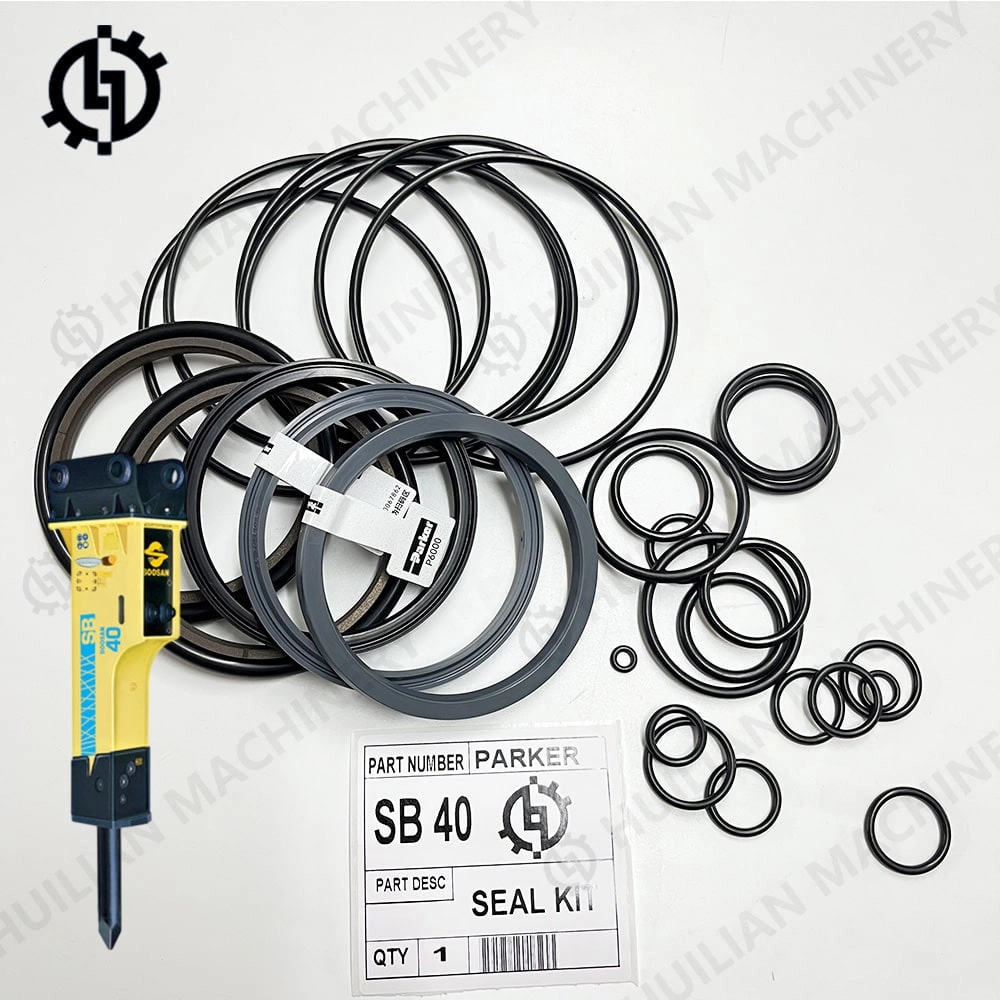
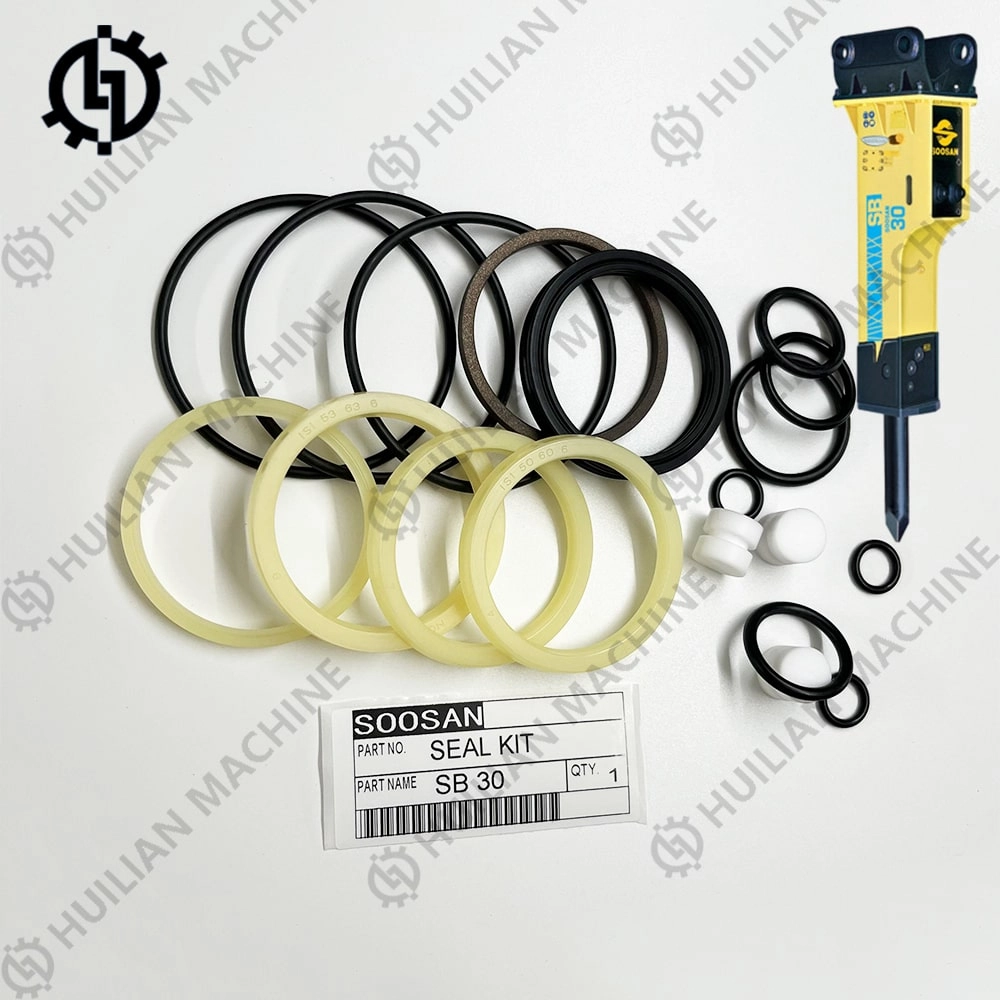
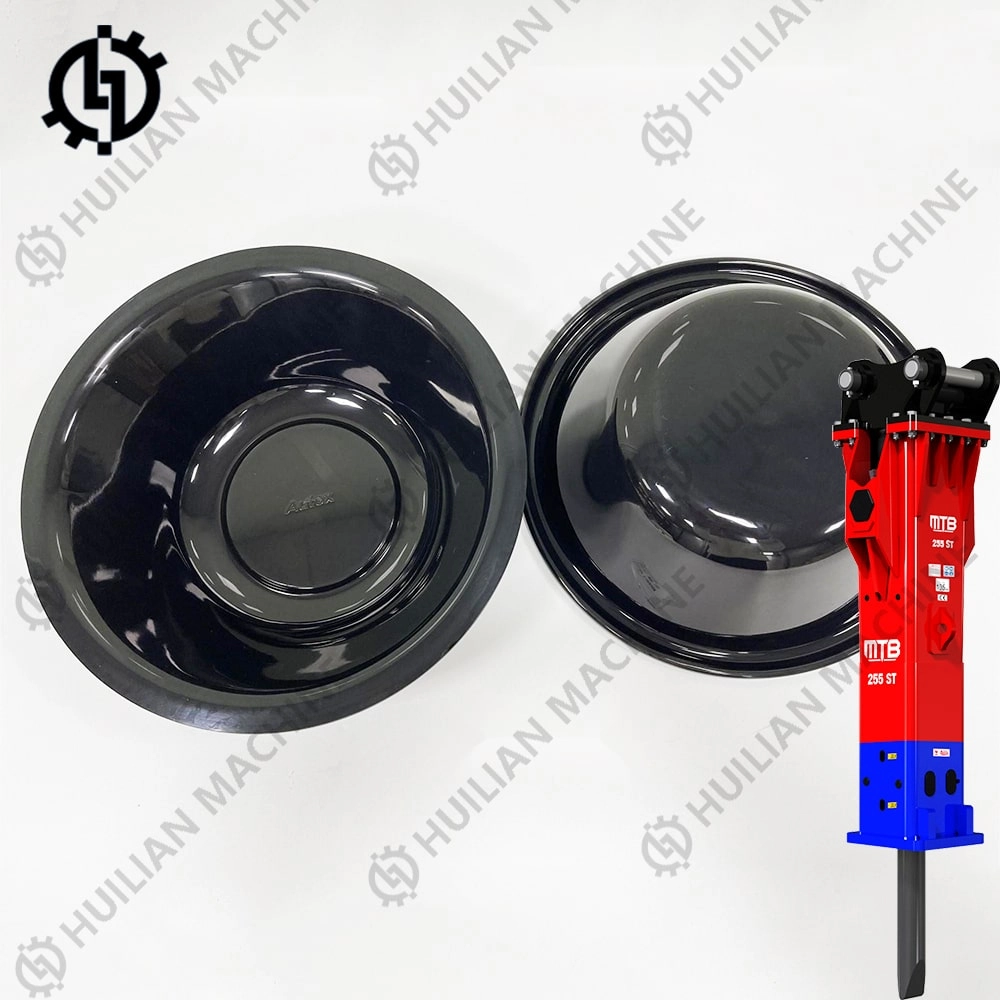
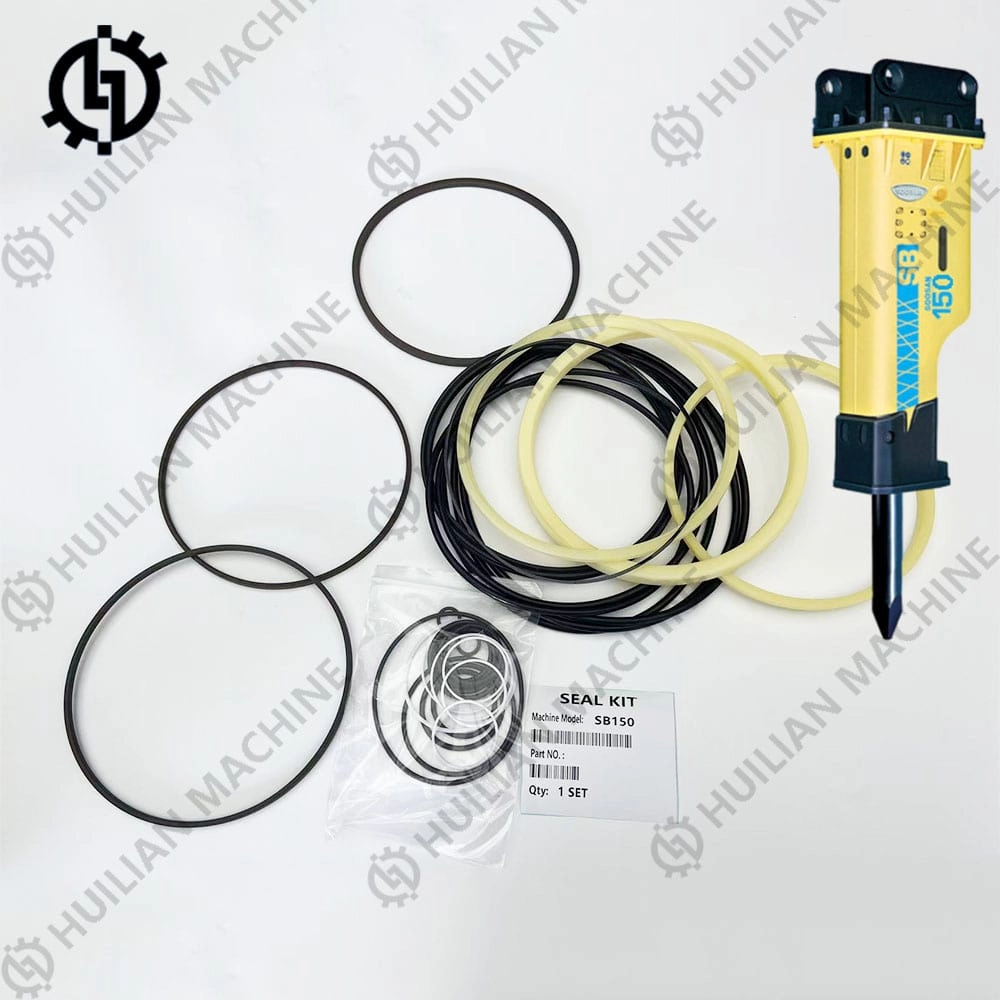
We provide a wide range of high-quality excavator parts, including hydraulic breakers, chisels, seal kits, diaphragms, pistons, wear bushes, retainer bars, through bolts, side bolts, valves, and liners.
What is your shipping and delivery time?
We offer fast and reliable global shipping. Delivery times vary depending on location and order size, but we strive to process and ship orders as quickly as possible.
Do you offer OEM and aftermarket parts?
Yes, we manufacture high-quality OEM parts and supply aftermarket parts from top brands such as NOK, Parker, SKF, and Hallite to ensure optimal performance.




Getting started is easy 
Contact with our experts to find the best excavator parts solutions for your needs. Discover how Huilian can enhance your equipment's performance and efficiency.


Get in touch
 About us
© 2025 HUILIAN MACHINE. All rights reserved